ECONOMY
A Commission Report addresses thorny issues afflicting 13 EU Members States

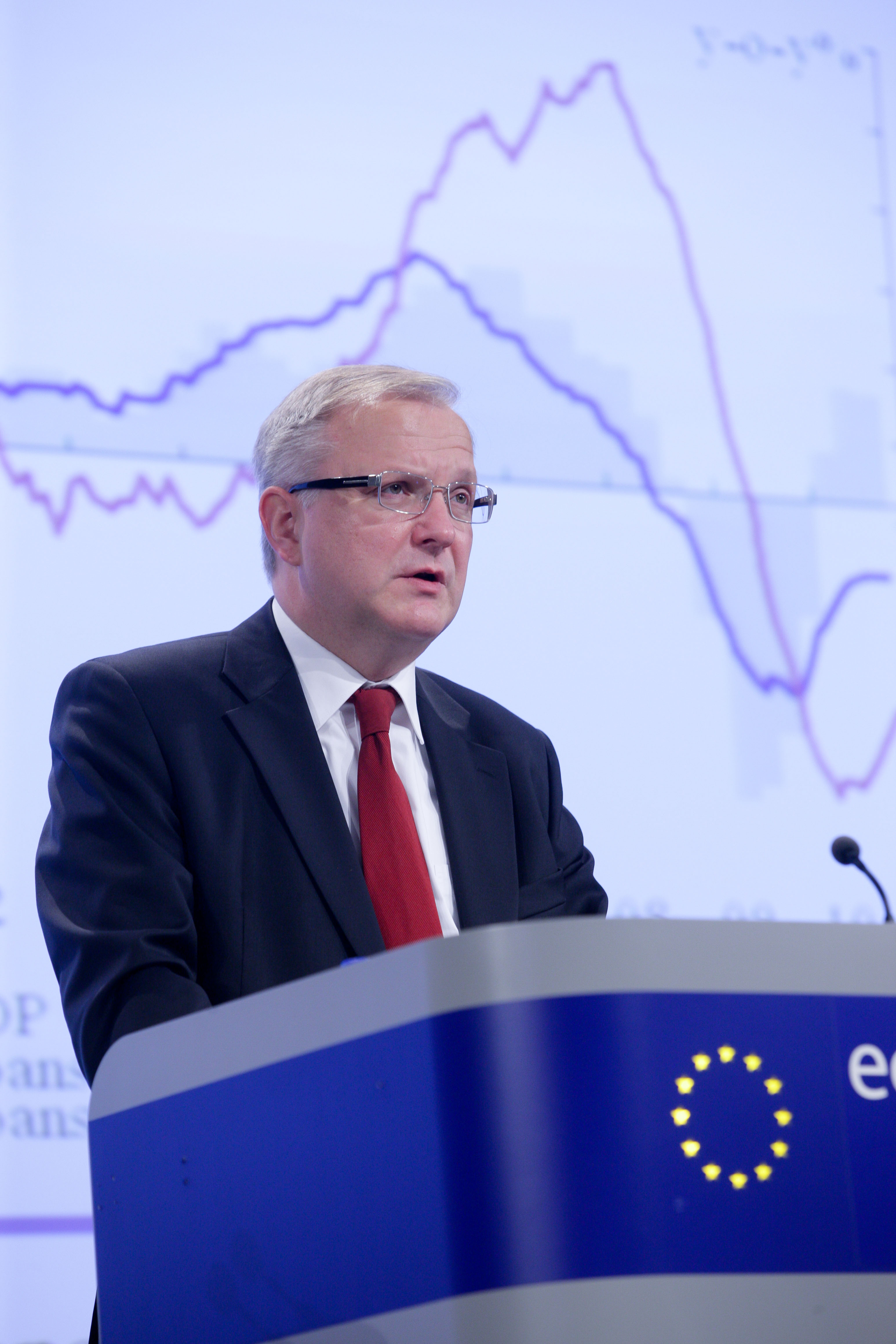
The macroeconomic adjustment in Europe is proceeding, "though with differences in nature and pace among Member States". That’s why different challenges and imbalances, cross-country growth differences are expected to persist in the coming years". The remarks are contained in the Commission’s in-depth reviews carried out into 13 Member States showing macroeconomic imbalances in external liabilities, private sector indebtedness, competitiveness, exports, and ongoing adjustments in housing markets."Fragile outlook". Commenting on the findings of the report, Finnish Commissioner Olli Rehn, Commission Vice-President, said: "Our transformed economic governance enables us to address macroeconomic imbalances pre-emptively and to create the foundations for sustainable growth". He added: "Decisive policy action by Member States and at EU-level is helping to rebalance the European economy. But significant challenges remain". The authors of the report pointed to "current account deficits", "corrections in excessive housing prices" and "reductions in private sector indebtedness". On the other hand, "the weakness of economic activity and the fragile economic outlook in some cases may have aggravated both the risks and the cross-country spillovers related to macroeconomic imbalances".Structural problems. The situation is marked by lights and shadows. The document goes on: "Many EU economies continue to face significant structural challenges". Only "overcoming these challenges will impact the ability of the indebted economies to grow and compete, to ensure financial stability and, fundamentally, to reduce unemployment". For this reason, "a decisive commitment to structural reform in order to ensure that they are unwound". The Commission announced "strategic recommendations on 29 May" for the interested Countries (Belgium, Bulgaria, Denmark, Finland, France, Italy, Malta, The Netherlands, the United Kingdom, Slovenia, Spain, Sweden and Hungary) "for the correction of existing imbalances and the prevention of new ones". In the limelight. Among the countries to which the Commission dedicated special – and worried – attention figure Italy, Spain, Slovenia, France and Cyprus. On Italy it states: "The potential economic and financial contamination to the rest of the euro area remains significant if the financial turmoil related to Italian sovereign debt will intensify again". "Italy’s export performance and the underlying loss of competitiveness as well as high public indebtedness weighs on the country’s growth prospects through several channels". Moreover, "the strength of the banking sector has severely weakened since mid-2011, undermining the ability of banks to sustain economic activity". The main arguments against Rome are indebtedness, lack of competitiveness, weakening of the banking system, despite Brussels recognizes the positive impulse to the national situation introduced by the government of Mario Monti. But dark shadows continue hovering upon the Country owing to a lack of agreement with the government, that could result in delays in the reforms for growth and to boost the job market as well as in the much-needed measures for the supervision of public accounts. As for Spain the Commission states: "very high domestic and external debt levels continue to pose risks for growth and financial stability". Spain must also curb sky-rocketing unemployment rates. In Slovenia, "the risk to financial sector stability stemming from corporate indebtedness and deleveraging is substantial, including through interlinkages with the level of sovereign debt". The situation in Cyprus (banking instability and national accounts) is under the control of the EU-ECB-IMF troika, while even France could become "a threat to the eurozone". Crushing tax evasion. In the meantime, the debate on "banking registry" and on the measures to counter tax-evasion are ongoing. Although the top five EU economies – Germany, France, UK, Italy, Spain – are willing to sign a "deal" against tax evasion through a shared registry and mandatory bank accounts, the Commission issued a reminder that this line should be adopted by all 27 Member States. In the meantime Luxembourg announced that it will give up banking secrecy in 2015, the same should is expected to take place in Austria, the last country to keep concealed data on bank accounts. These themes are tabled for discussion at the informal meeting of ECOFIN (Economic and Finance Ministers EU), scheduled to take place in Dublin on 12 and 13 April.
