FRANCE
The bishop of Ornellas on the end of life and bioethical questions

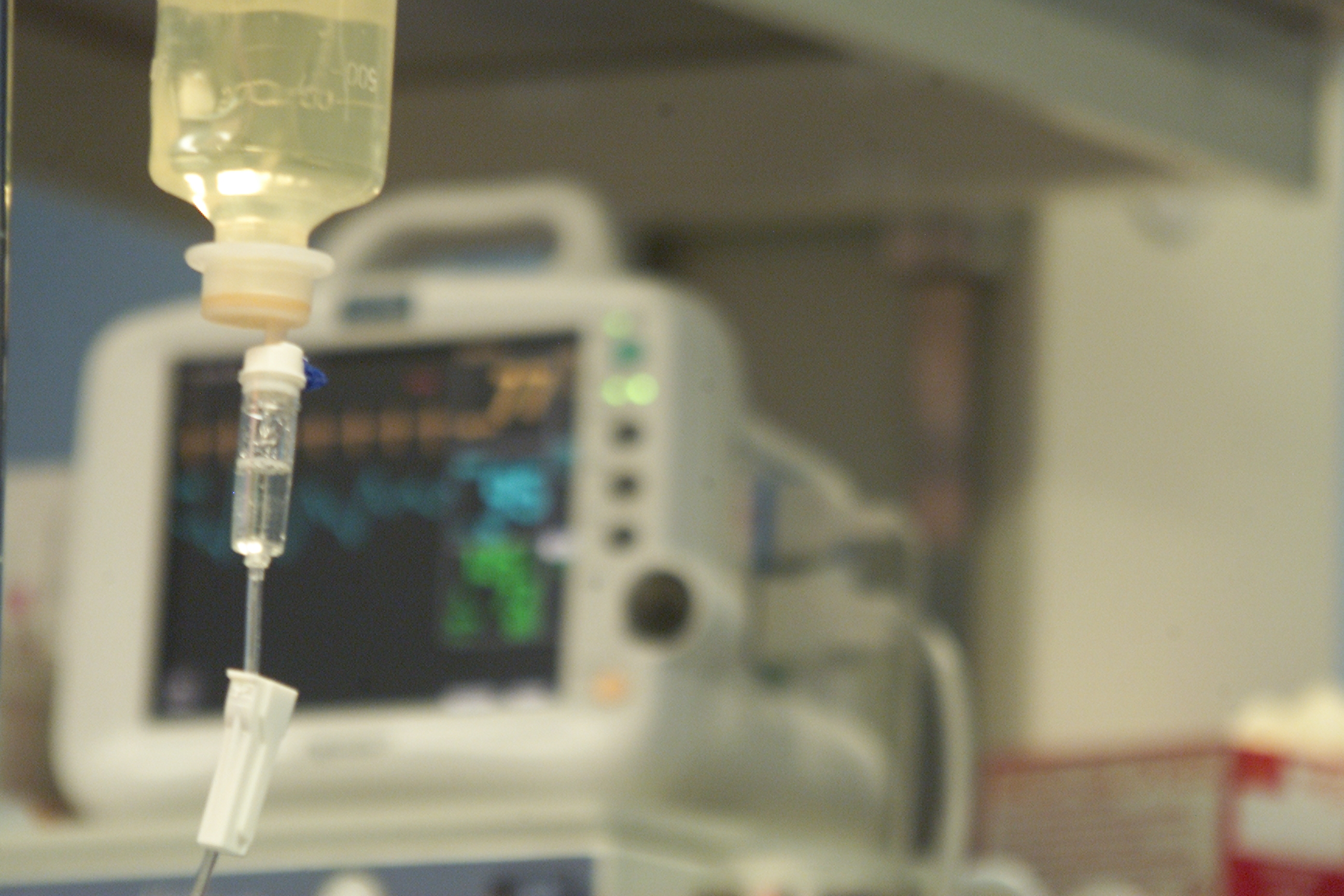
“Terminal sedation” to terminal patients that made “persistent, lucid and repeated requests”. The term is contained in the “public position” released by the French National Medical Council on the theme: “End of life, assistance to terminal patients”. In the text, the Medical Association invokes “a duty of humaneness” mentioning “exceptional cases” such as “prolonged agonies and uncontrollable pain”. For the first time and without explicitly using the term, French doctors open up to the practice of euthanasia. “An appropriate, deep and terminal sedation – is written in the central part of the statement – practiced in the respect of dignity could be imagined, for duty of humanity, by a dedicated committee”. The ban on “therapeutic obstinacy” is enshrined in the Leonetti Law, adopted in 2005, but euthanasia remains illegal in France. The Leonetti Law, physicians write, “provides for a response to most life termination cases. However the law provides no solution to prolonged agonies or to those cases marked by psychological or physical pain, which, despite the treatments, are out of control”. These situations, “however rare, cannot remain without an answer”. Maria Chiara Biagioni, for SIR Europe, asked Monsignor Pierre d’Ornellas, archbishop of Rennes, Dol and Saint-Malo to share his opinion and convey the position of the Church on this matter. The bishop of Ornellas is responsible for bioethical issues at the French Bishops’ Conference. How should we define “exceptional situations?” The French Medical Association refers to situations marked by “prolonged agony, or uncontrollable psychological and/or physical pain”. When does something become “uncontrollable”? “The doctors are the ones who should answer these questions. For the Medical Association these are ‘rare’ situations. But when a life terminates it’s always a unique story, unrepeatable and therefore exceptional. Sometimes circumstances that accompany the end of a life can be very confused and the pain becomes ‘out of control’. Thus they require greater reflection, discernment and attention. For doctors this is an opportunity for a gesture of deep humaneness, to find the means to prevent the patients’ suffering. It could consist in a strong pain-killer, or total anaesthesia, which, by reducing the body’s reaction, accelerates the time of death caused by the diseases. The ‘uncontrollable’ situation of suffering may be due to the fact that curative treatment has been prolonged for too long – which never escapes the duty to succeed – or that palliative treatment has been administered when it’s too late. It’s important to think of palliative treatment when a person is being cared for. Accompaniment is thus more just and more appropriate since the patient is being treated in his entirety: at physical, psychological, relational, affective, spiritual level, so that he/she will not suffer and will not be the object of senseless treatment”. What should be understood with “terminal sedation”? And which thin line separates medical assistance to a terminal patient and euthanasia? Do you believe that the public stance taken by the Medical Association could become a sideslip into euthanasia? “Indeed I do. The statement by the Medical Association contains the same degree of ambiguity of the Sicard Report (the committee chaired by Doctor Didier Sicar was tasked with carrying out a study on “life termination”, with a proposal to French President Hollande, in order to find a solution at national level. Ed.’s note). It’s more accurate to speak of ‘sedation in the terminal phase’. The great question is the ‘intention.’ The dignity of the human person in largely expressed in his/her ability to discern, namely, the intention. The intention to cause death is always culpable. In the deep meanders of human conscience – its dignity – we always find a founding word of freedom and solidarity: ‘you shall not kill.’ Indeed, the conscience needs interiority and formation in order to make itself heard. It then develops an internal obligation that is expressed with concrete and deliberate action. The intention not to kill is positively conveyed in the intention to accompany and alleviate suffering. For this reason sedation is legitimate in its terminal stage. If suffering is ‘uncontrollable’ – as described in the statement – then science will need to continue its researches to find the right pain-killer and the ways for it to bring about pain alleviation. It may cause the rapid insurgence of death, but it would be caused not by medical intervention but by the disease itself”. The Medical Association spoke of a “duty of humaneness”. If the Church says no to euthanasia, does it mean that she’s inhumane? “I am pleased that the Medical Association mentions a ‘duty of humaneness”. It’s a duty that stems from human conscience. The Second Vatican Council contains a beautiful phrase: ‘It’s an admirable way that reveals love for our fellow other in the depth of human conscience.’ It’s an inner obligation, which thus becomes a collective duty. The mission of doctors and nurses is to fulfill this duty. It’s never easy. At times the power of discernment and the spirit of solidarity are both equally needed. Doctors are called to be lucid on the human condition they share, namely, their relationship with death, with their own death. In that case the duty of humaneness is a duty of compassion, which means to assist the person that is in a state of suffering, in full respect of the same dignity that belongs to the patient and the doctor alike. By saying no to euthanasia, the Church is not ignoring doctors’ pangs of conscience – that often resemble the cross. Rather, she is reaffirming her humaneness, which is much greater that imagined by the medical profession. That ‘no’ expresses the threshold bordering on actions that fail to comply with our dignity. It’s a benevolent deed for doctors. It conveys full respect for their dignity and for the person nearing the termination of life. It’s a great ‘yes’ to life”. The Association affirms: “Do not deliberately give death, but refrain from all unreasonable obligation”. What do you think? What could be the role of doctors, families and States? “It’s appropriate to reject all unreasonable obstinacy. This isn’t always easy to discern. The dialogue between the medical profession and the family, or with a person we can trust, is fundamental. The pact of mutual doctor-patient respect is based on shared dignity, on the joint awareness of profound interior obligation: ‘You shall not kill’, that may also be: ‘Love thy neighbour as you love yourself’. The family must take part in this act of mutual trust. The State must provide the means so that everyone may become cognizant of the Leonetti law and apply it for all. Its laws must be just laws. And they will be if they do not cause death, conceived in the full respect of the dignity of human conscience. The State must proffer its yes to life, for a Country founded on mutual trust”.
