EDITORIAL
Cameron and the EU: a dangerous game, especially for Great Britain

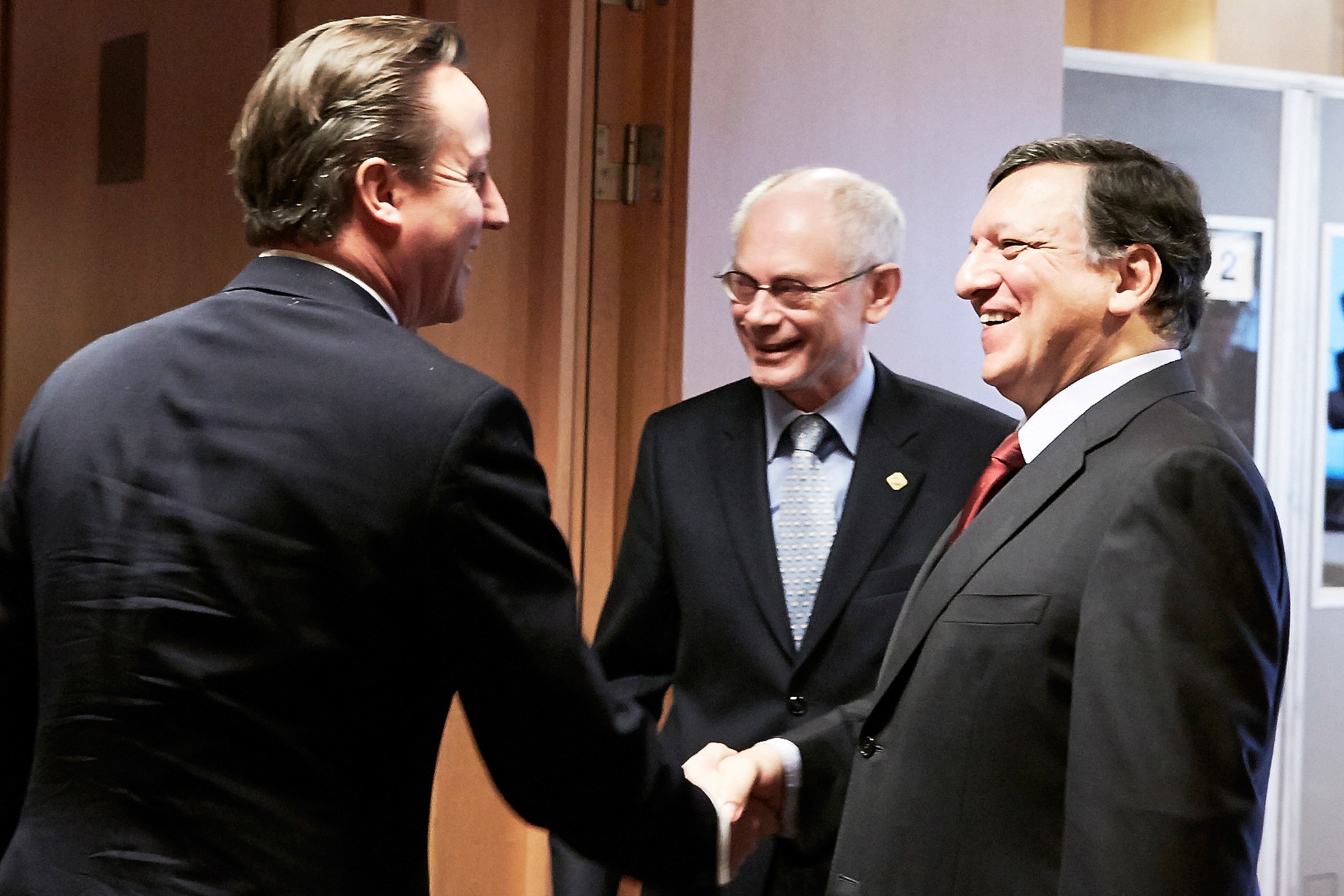
As pointed out by the conservative Prime Minister of the UK Government, David Cameron, the British people might have the chance to vote on whether or not to remain with the European Union, most likely after the general elections to be held in 2015. But before that, Cameron will talk with EU leaders about reform plans aimed at changing the organisation and the policies of the Union in the light of UK intentions. London’s uncompromising attitude towards the EU was particularly evident during the last European Council (February, 7-8), when the central issue of the 2014-2020 pluri-annual budget was discussed. Mr. Cameron’s stance, which garnered partial – albeit questionable – support, was to downsize the overall budget in the name of an understandable "austerity" that will lead to a substantial contraction of EU policies over the next few years.News about Cameron’s intentions did indeed draw the attention it deserved, but excitement was quite restrained. The proposed referendum is still far off, for it is not even sure that the conservative party will actually win the elections and have the chance to implement its plans. Conversely, it seems pretty sure that EU leaders will not be ready to negotiate with the British Government unless a proper intergovernmental conference is organised to talk about the reform of the European Union aimed at further developing its political-institutional system in the light of the integration progress achieved to manage the international crisis (banking union, fiscal union, stability fund, etc.).Since 1973, when it belatedly and reluctantly joined the European Economic Community, Britain has always played a special role. In essence, Britons have never fully realised that they had become a member of a community with a political vocation, whose ultimate goal was to lead to an ever-closer federalist association of countries and peoples in Europe.From the very beginning the British government had only been interested in the economic, commercial and financial implications of its membership and did anything possible to undermine the political and institutional development of the Union, thereby giving the impression that its decision to join was exclusively aimed at jeopardising the success of the integration process after the failure of its alternative project of the European Free Trade Area (EFTA). The flaws of the Union, about which David Cameron had complained and that apparently motivated his demarche, are actually the result of Great Britain’s systematic refusal to implement the necessary reforms. As a matter of fact, when he pointed out the lack of EU competitiveness on global markets, Britain’s resistance against important EU projects contributed to further exacerbate the overall scenario.A number of special rules, agreed by EU leaders over the years to meet the wishes of Great Britain, have weakened the Union and undermined its credibility inside and outside: Britain did not join the monetary union nor the Schengen Convention about open borders and the free movement of people; EU legislation does not apply to domestic and justice policy in the UK; in regard to the financing of EU policies, Great Britain benefits from a substantial reduction at the expense of EU budget; finally, the British government refused to sign the fiscal pact. All these special rights and exceptions have challenged the idea of a community based on solidarity, as well as the actual goal of the European Union. Against this backdrop, it is highly unlikely for the European Union to allow that further privileges are granted to the UK, even if this might lead Britons to choose to exit the European Union. If Britain were to leave the EU, the Government might suffer from the negative consequences of its choice, unlike the EU itself, which would indeed have a better chance to accomplish its actual mission. Of course, it would be better if a tough stance of EU leaders helped Britain understand that being a member of a community implies being always ready to set aside one’s interests to the benefit of the community itself.
