EUROPEAN UNION
The heart of the negotiations for the Common Agricultural Policy reform

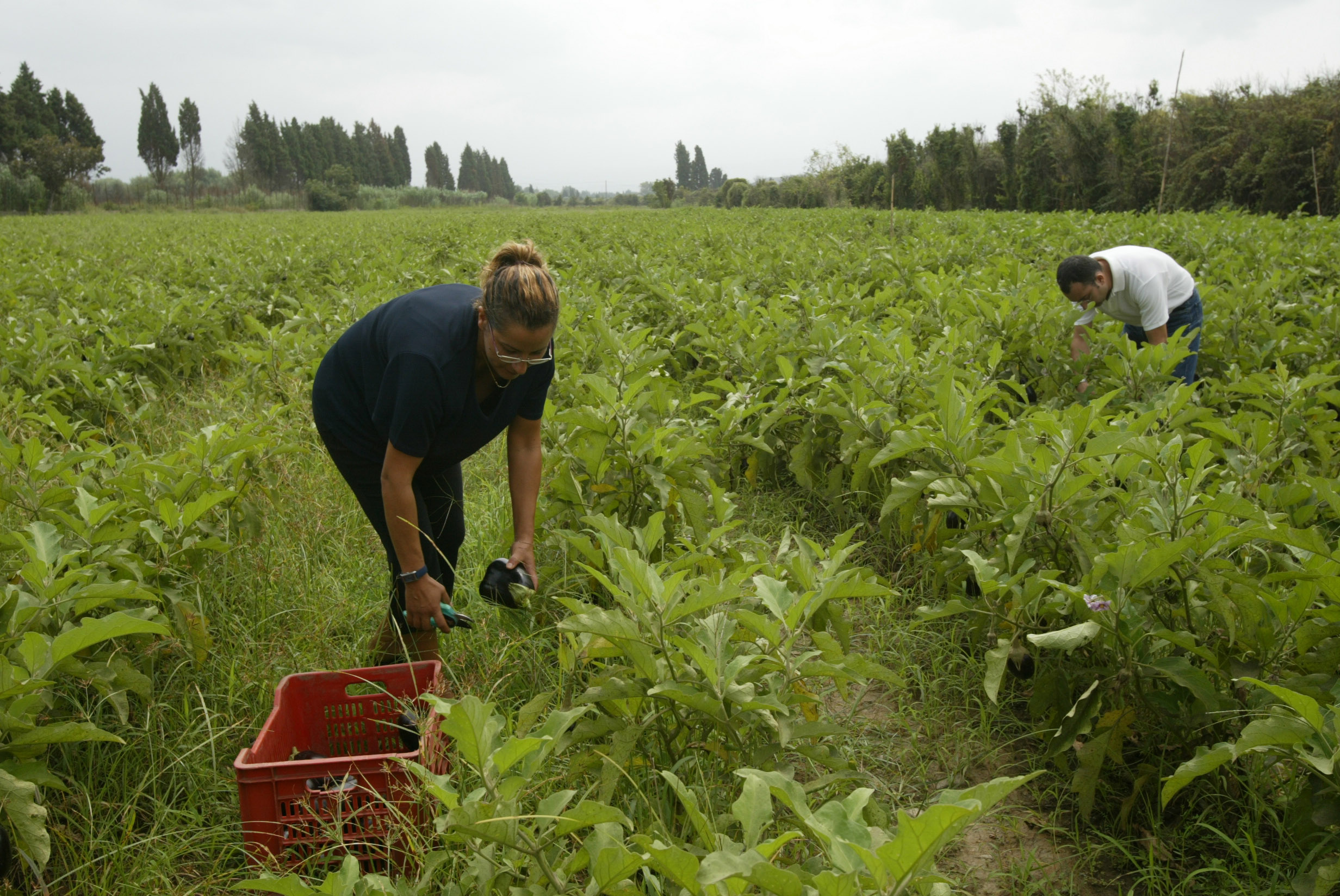
The stakes are high: no less than 340 billion euro for seven years in support of farming, rural enterprises, activity and employment, and rearing. Not to mention the protection of the land, woods and forests, rural landscapes … The Common Agricultural Policy is the first fully communitarized sector at European level. It is now subject to a new reform, which follows a set of reforms implemented since 1962, the date of the ‘baptism’ of the CAP. Reform underway. According to the chairman of the Agriculture Committee of the European Parliament, Italian MEP Paolo De Castro, the cornerstones of the reform of the CAP should include, inter alia, a "stronger" and "more green Common Agricultural Policy", "sensitive to people", "less bureaucratic" and flexible to different environmental and productive conditions on the continent. The EU Assembly is defining the content and the stages of the reform that affects 10 million farmers and, not least important, 500 million EU citizens, who are also consumers of agricultural products. The Committee is set to address the issue on 23 and 24 January in view of the voting of legislative texts that will be submitted for Parliament debate during the March plenary session. De Castro told SIR Europe: "On many occasions CAP, launched half a century ago, has been subject to reforms in order to adapt to the changes in the productive sector", as well as to food consumption, to foreign competition, to the financial resources coming from EU budget. "Besides, it should be remembered that agricultural policy falls within EU responsibilities. Over the years EU provided price support to farmers and manufacturers. Today there is a tendency to favor above all the most effective and sustainable agricultural practices".Three key words. One of the problems hovering over the future of CAP is the cut in funding from the EU budget. The issue will be addressed by the European Council next February 7-8 in the framework of negotiations on the multiannual financial framework 2014-2020. "Considerable cuts to agriculture have been suggested to date", De Castro points out. "In the final draft by President Van Rompuy the downsizing amounts to approximately 18 billion in seven years. These are very heavy cuts, which the rural sector will find it hard to sustain. But if it should go further, then we will have to review the negotiating position of the European Parliament". De Castro underlined, referring to a partner country of the EU, that the United States federal spending on agriculture is much higher. It should be noted that, over the years funds for the CAP have fallen also because of changes in the EU itself, its responsibilities, and for the transformations in European economy, that dropped from 70 to about 40% of the total EU budget. Could you identify three key principles for this reform? The chairman of the Parliamentary Committee replied: "I would say first of all there should be less bureaucracy and less costs, then increased flexibility to adapt the common policy to the agricultural systems of the 27 Member States, which in a few months will become 28 with Croatia. Finally, more market management tools are needed to bring about a strong and competitive agriculture".Food and the environment. The European Parliament and EU Council of Ministers are therefore negotiating the CAP reform on the basis of proposals submitted 12 October 2011 by the European Commission, while discussions for the approval of the multiannual financial framework, namely the EU budget for 2014-2020, on which depends the allocation of funds for the agricultural sector, farming, forestry and rural development, are under way. Dacian Ciolos, Romanian, Commissioner responsible for this area, said: "The Commission proposes a new partnership between Europe and farmers in order to meet the challenges of food security, sustainable use of natural resources and growth. The coming decades will be crucial to lay the foundations of agriculture capable of tackling climate change and international competition, while responding to the expectations of citizens". Cioloº underlined: "Europe needs farmers and vice versa. Our food supply and the future of more than half of EU land depends on CAP". The Commission’s proposal. The proposal by the Executive consists of 10 key measures that include: "targeted" aid to farmers’ revenues "to boost employment and growth"; "green" payments for practices "enabling an optimal use of natural resources" in order to preserve long-term productivity and support eco-systems (such as crop diversification, pasture preservation, environmental protection) funding for innovation, stepping up the distribution chain; simplifying CAP mechanism to cut red tape and administrative burdens.
