FRANCE" "
The national Assembly gives the green light to a law that affects the “client” and helps the victims

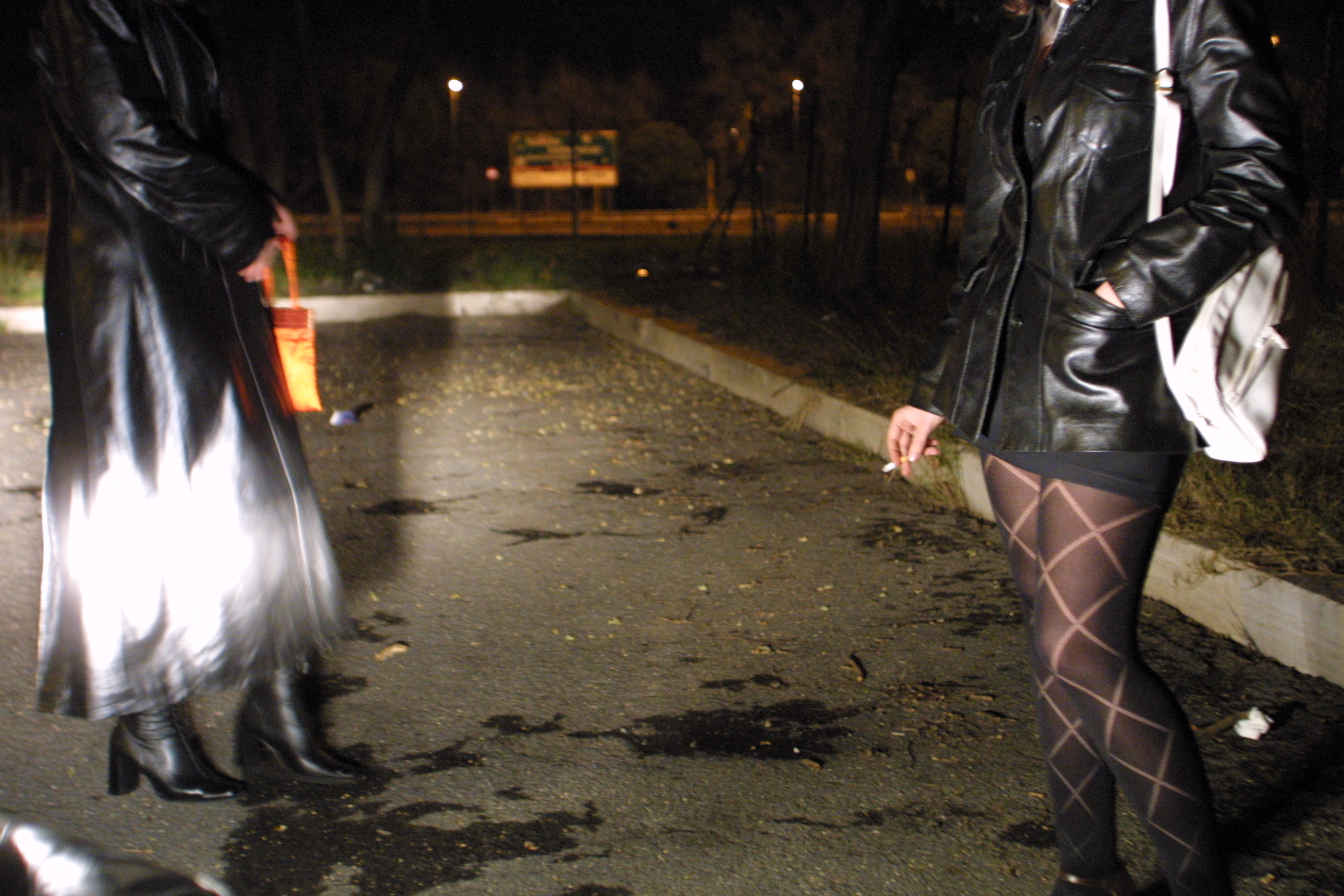
The French parliament faces the challenge of prostitution by voting a bill on December 4 with open show of hands. The proposal, that triggered street rallies and caused divisions among the public opinion, stipulates the criminalization of the client with fines up to 1500 euros, that may double in case of reiteration of the crime. The new legislation also provides that the clients will take part on awareness meetings similar to those already implemented on street safety or against the use of drugs with the purpose of making them aware of the consequences of their actions”. A relevant part of the report focuses on the support to prostitutes who wish to interrupt their activity by granting them a temporary six-month residence permit and financial aid. According to data released by the Police (2011 figures), prostitutes in France amount to 20 thousand: 90% are of foreign origin. “They have gone through a complicated process – sister Marie Hélène Halligon, from the Congregation of Our Lady of Charity of the Good Shepherd, in the front line against human trafficking, told SIR -: “recruited in their Countries of origin (Africa, Asia, Eastern Europe), encouraged to leave the country allured by beautiful promises. Repeatedly sold, stripped of their documents, brought to unknown ‘countries of destination’, forced to prostitute themselves to reimburse the costs of travel, treated with violence if they disobey. The list of afflictions is long but the real paradox is that these women don’t try to escape, for fear of retaliation”. Sister Halligon is a founding member of Renate, the European network of religious women against human trafficking and exploitation. What do think of the bill? “First of all, I appreciate the struggle against this system, whereby people are treated like the workings of a mechanism. This system stands well beyond individuals. It is rooted within the complexity of relationships, in a sick, power-driven society, of desperate poverty, of the lure of money that deeply undermines the brotherhood of man. Looking at this phenomenon in its face, and trying to stop it is courageous. It means giving to the victims another chance to put an end to their nightmares. But it takes time to uproot fear, to start living again, especially for those men and women who experienced repeated traumas. However, we should not be misled: the system will adapt to the new conditions, as we have seen in those Countries that have decided to adopt a similar approach”. In which way? “Prostitution has multiple causes and actors. I hope the envisaged measures will help fight this phenomenon although they won’t defeat it. The globalization of human trafficking is a threat especially for the most vulnerable brackets. And prostitution is often a trivialized problem. Those with financial interests will find the ways to bypass legislation and will continue the criminal activity also via networks such as text messages, the Internet, and social networks. As regards the clients: it appears that education is missing with regard to equal dignity of man and woman since childhood, which in the long run could change the outlook and lead not to consider women as a commodity or a paid service. There is nothing worse than being given a barcode, being purchased and treated like an object”. The bill stipulates support to women who want to exit the spiral of prostitution. Do you consider such support necessary? “Yes, the various forms of support to those who wish to overcome prostitution are necessary. These are the basic conditions not of hope but of a return to life. How can you escape when you are alone, young, in a Country of which you don’t even know the language? The terror – often triggered by threats to the life of an individual and of her family – is hard to endure and to overcome. And that’s why, despite all efforts, these women prefer to be in the swim, and if nobody’s there to help them, they often resort to the use of alcohol and drugs and the inferno starts over again. I think it’s hard to escape from this form of slavery if you’re alone. And that’s why it’s important to train specialised staff capable of supporting these women along the difficult road of self-recovery. It is a patient work for them and for us. It is the difficult path of re-entry into a hosting country: to denounce, to seek asylum, treating trauma, learning the language, going out, return to laugh and to have confidence, to become independent women, the protagonists of their own future. Sometimes they confess: ‘Without you, I’d be dead!’. Not to mention their joy when they manage to reunite with their children left in the countries of origin, and their pride when they tell us: ‘I succeeded'”.
