CHURCHES IN BRIEF" "

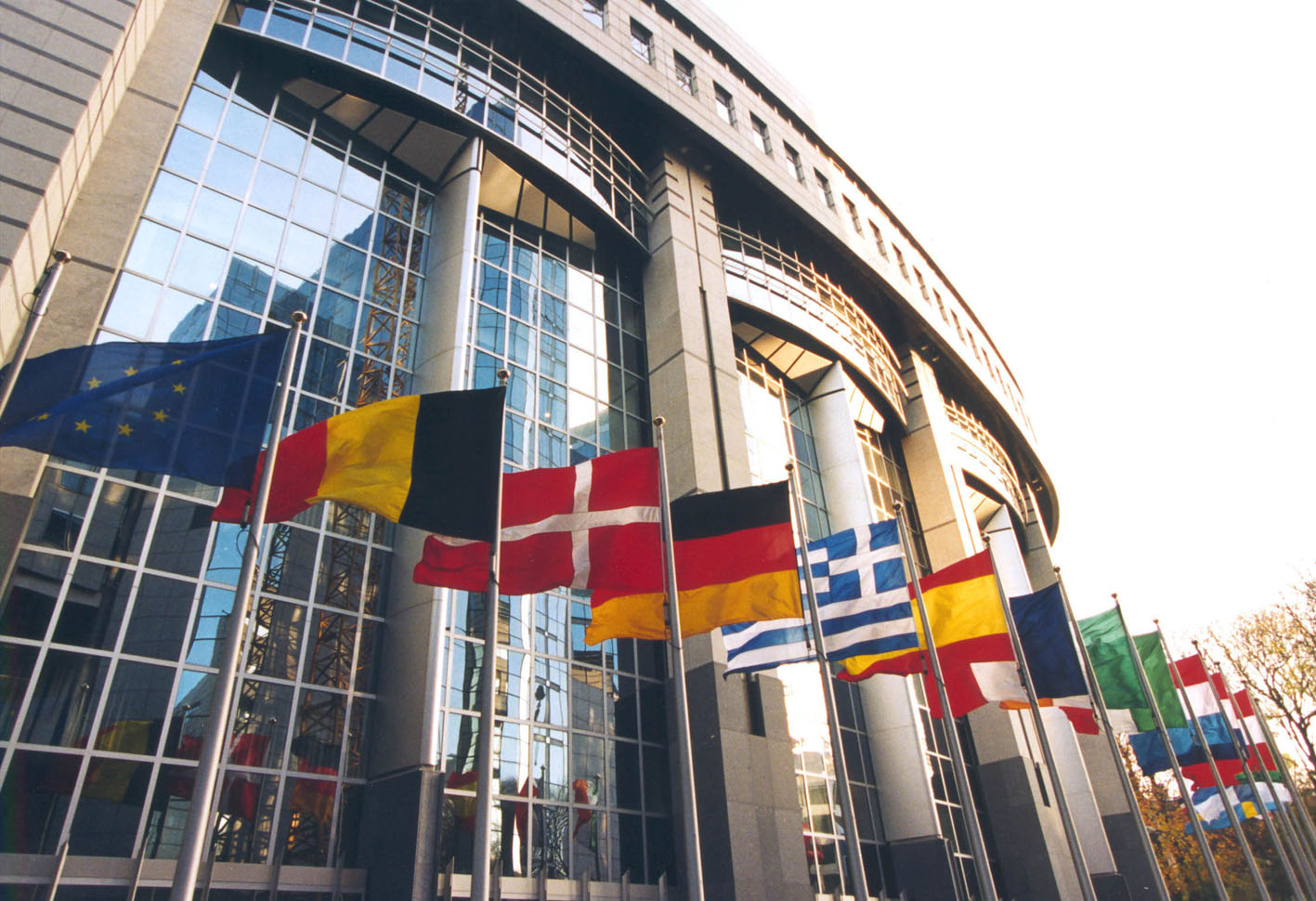
Churches-EU: “stepping up European democracy”Collecting the contribution of the churches and non-confessional organizations for the preparation of European elections: from this perspective took place on November 26 an initiative of the EU Parliament titled “Strengthening European Democracy: Participation of the Citizens – Which challenges do we face at the European Elections 2014?” Leaders of world religions, starting with the Catholic Church, took part in a public session of the Constitutional Affairs Committee of the European Parliament, with panel speeches delivered by EP president Martin Schulz and by several experts, followed by a round table with a view to the “most important elections of the European Parliament ever: the first truly European elections since the entry into force of the Lisbon Treaty, which stipulated a set of innovations”, states a release by the European Parliament. The ensuing EU Parliament will “elect the president of the Committee on the basis of a proposal of the Council, and considering the outcome of the elections”. “Political actors are trying to make elections more lively – states the document on the meeting on 26 November – in order to strengthen the democratic legitimacy of the decisions taken at EU level, and taking into consideration the decrease in electoral turnout”. During the meeting of MEPs, experts and religious leaders (the meeting was promoted pursuant to article 17 of the Treaty of Lisbon providing for constant and structured dialogue between faith communities and the EU), “highlighted actions aimed at making these elections more European, lest they become just a appendage of national elections”. CEC: on the front line against poverty and xenophobiaChurches in Europe are at the forefront of the fight against poverty, to prevent the possible drifts of extremism and xenophobia caused by the crisis and bring at Community level the requests of those who suffer the consequences of the recession, in order to promote appropriate policies. The commitment was reiterated a few days ago in Brussels during the meeting of the secretaries of the Commission “Church and society”, a platform of the Conference of Churches in Europe (CEC), engaged in advocacy initiatives within European institutions. Over 40 participants discussed the ongoing challenges of the social and economic crisis that hit the European Union in 2008. The figures presented by Robert Strauss, from the EU Commission, highlighted that the crisis strongly hit those Countries of South and peripheral countries of the EU, which were already suffering serious economic and social difficulties. Ilya Subbotin from the Council of Europe recalled the institution’s commitment in the fight against extremism, xenophobia and racism “caused by the crisis”. During the panel meeting CEC raised a set of questions, notably if “the Banking Union that is in the process of being implemented, can be a guarantee against speculation” or whether “the concept of growth is becoming a kind of mantra, considering the employment forecasts for the coming years”. CEC thus highlighted the importance of involving civil society across the EU. Portugal: the bishops’ voice on life and the family Commenting on the wishes conveyed during the latest plenary meeting of the Portuguese Bishops’ Conference (Fatima, 11-14 November), a few days ago the patriarch of Lisbon said that Catholic bishops are hoping for a revision of the current laws on abortion, same gender unions, and adoptions granted on the grounds of such unions: “We have many doubts on whether the legislative decisions adopted on these issues reflect the majority view of the Portuguese population”, said Msgr. Manuel Clemente. As for the decriminalization of abortion, that occurred after the consultative referendum of February 2007, the Portuguese primate explained that “the law failed to grasp and understand the legal and social protection which Portuguese society and citizens alike must ensure to human life, understood as a continuous process from the moment of conception to its natural termination”. Msgr. Clemente conveyed equal perplexities as relates to same-sex marriage: “I have serious doubts that considering the family, the couple and the relationship with children on the basis of traditional man-woman, male-female complementariness, is secondary or irrelevant. In fact, I don’t think that a large part of my fellow-citizens considers it as such”.
