SWEDEN
A young professional of gipsy origins on integration and violated rights

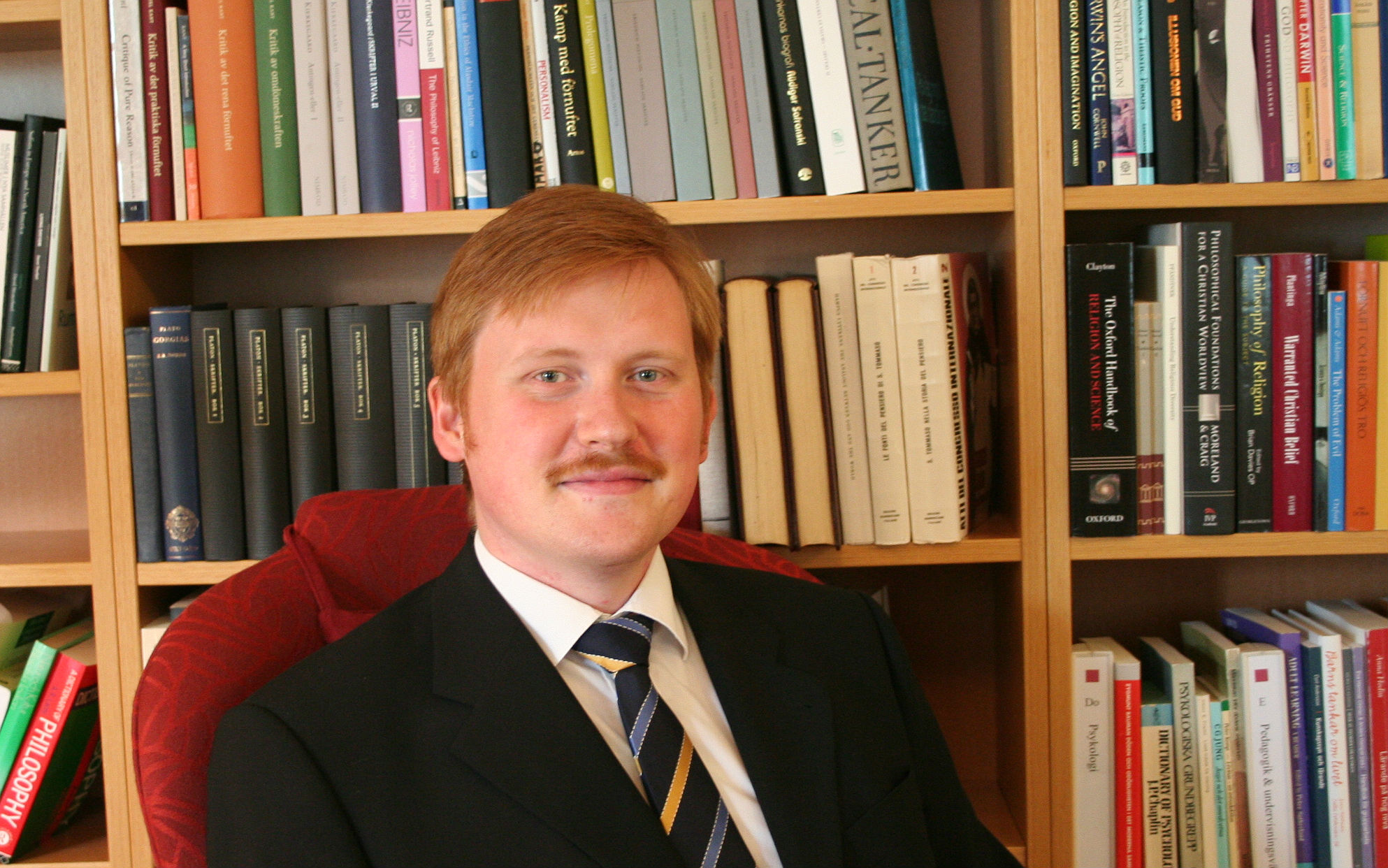
Past September 22nd the Swedish daily “Dagens Nyheter” disclosed news on the existence of a secret register held by the police of Skane district, in which have been inserted over 4 thousand Roma, including one thousand children. This fact, which goes against the Charter of Fundamental Rights of the EU, which considers the possibility of putting citizens on police-record unlawful on the basis of ethic criteria (as recalled over the past few days also in the hemicycle of the European Parliament), highlights an unsolved matter regarding the future of this people. Sarah Numico interviewed Robert Brisenstam, young Swedish lawyer of Roma origins. How did you react to the news of an “ethnic” register held secretly by the police? Were you in the list? “I found the news upsetting, disappointing and deluding. It’s not clear yet what kind of database was created by the police, whether and if it is legal. This fact has confirmed the ideas and the fears of many Roma, who for a long time suspected that authorities still control us, for reasons linked to our ethnicity. But I don’t know whether I was put on those lists”.What is your personal experience of the Roma in Sweden? “My family arrived in Sweden in the XVII century. This is our Country. I have never felt out of place, although I often noticed that our identity and our culture was being questioned. Until the 1950s the older generations experienced widespread discrimination and persecution. They certainly never felt welcomed, although they have lived in this Countries their entire lifetime. I have not experienced discrimination directly, but I have been confronted with negative attitudes against myself and other Roma, such as slander and rudeness”.Why have you decided to become a lawyer? “My father is a retired metal-dealer. My mother is a retired assistant nurse. I attended compulsory schooling for nine years, followed by three years of high-school. I worked a couple of years in Sweden and as volunteer worker in Romania, Uganda and Spain. I then went to Law school. When Sweden assumed the rotating presidency of the European Union I worked at the embassy in Bucharest. Today I am a magistrate in an administrative court in my country. Thanks to my Christian faith I have a renewed interest for social questions. I became a lawyer to work for human rights and minorities, and to make the world a better place”. Could you describe the main features of the Roma people, known mainly through stereotyping? “It’s difficult to identify the prominent features of the Roma, they are very heterogeneous, consisting of many groups with cultural, historical and linguistic differences. In fact, the Roma often discuss the essence of the Roma culture. For many of them, but not necessarily for all of them, the family is the most important thing, and the most important members of the family are children and old people. A major feature shared by all Roma groups is their special bent for artisan work, art and music. Our language is also very important feature”.A part of the Roma population lives on the margins of our society, in conditions of poverty and illegality. How can they be integrated? What are the tasks and the responsibilities of politicians and of civil society? What are the steps the Roma people should make? “The problems of the Roma involve also the rest of society. A specific problem of the Roma does not exist. The current legislation in the field of human rights and minorities should be applied to all, and everyone should be treated in the same way, regardless of their ethnicity. The Roma who don’t have legal papers must turn to the authorities in charge. Discrimination should be fought especially in terms of housing, employment and training, so that people may be given the opportunity to change their lives. Ethnic, social and economic segregation should be fought. It is also necessary to fight the knot of the lack of education. Parents should send their children to school and schools should welcome the children just like everyone else”. Could religions be more inclusive? “Missionaries and people working with the Roma should love their neighbours like themselves and spread hope without fomenting negative behaviours. And most of all, the faithful should continue to pray”.
