SCOTLAND
The referendum for Scotland’s independence set for 2014

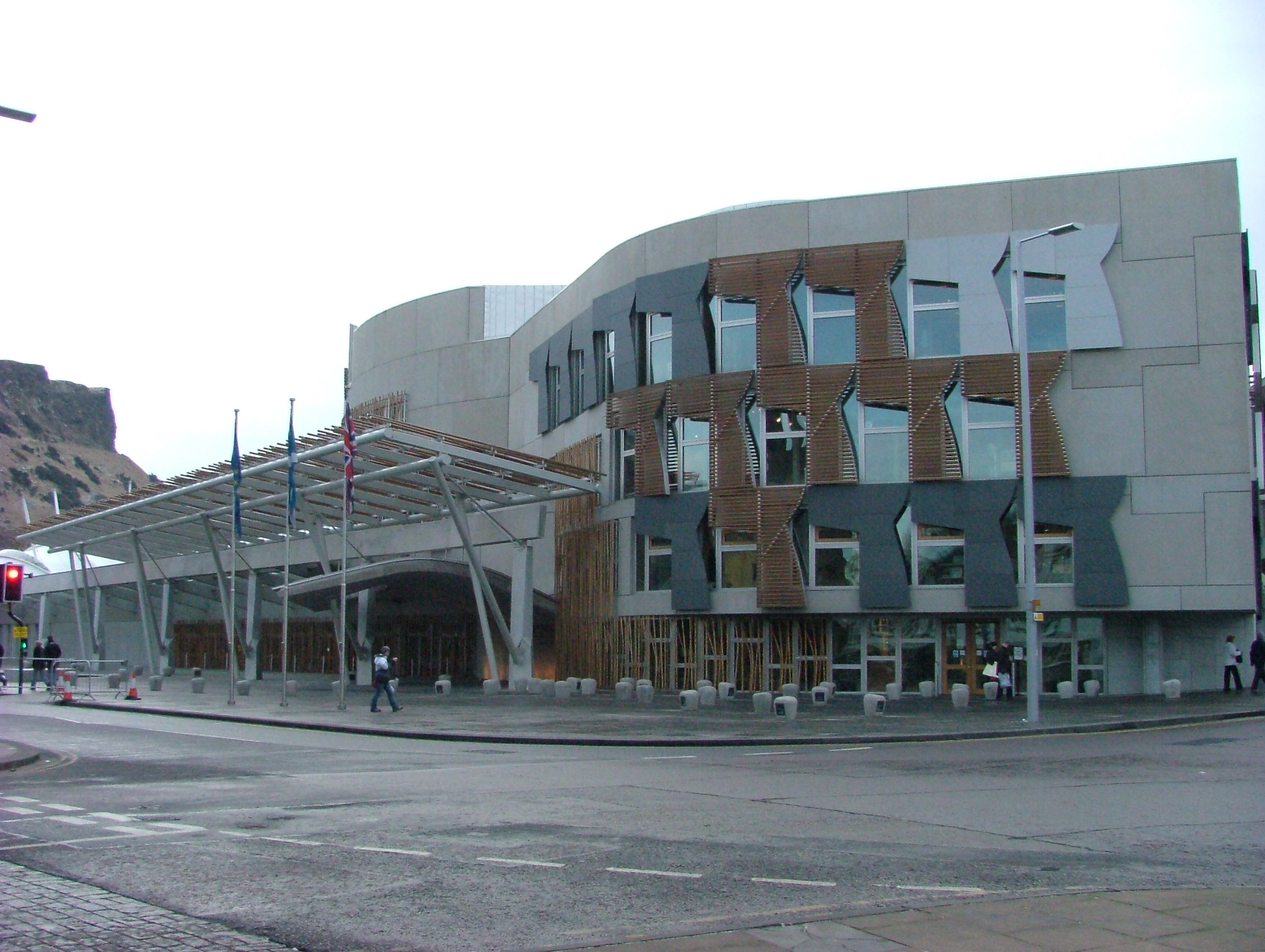
In less than a year, precisely on September 18 2014, a referendum will decided whether Scotland can become and independent, sovereign state. As known, in the heart of the United Kingdom there exists a union between two realities: Scotland and England. Next year, citizens will be asked whether Scotland, one of the oldest European countries, is bound to become an independent State after more than 300 years of “disputed” sovereignty with England. The future of the entire kingdom. Scotland has slightly more than 5 million citizens, while England’s population is twelve times more, although England’s geographic extension is only twice of that of Scotland. However, for a set of reasons, like the fact that England has a much more numerous population or that the Parliament of the United Kingdom, the Government and the Crown are centred in London, Scotland has always lived that relationship as a “younger sister”. But the historical watershed will not be determined by Scottish people’s ‘yes’ or ‘no’, expressed with popular vote, but by the fact that this decision will determine the future of over 60 million inhabitants of the United Kingdom (Great Britain and Northern Ireland).The concerns of the Catholics. In demanding independence, after the parliaments were incorporated in the English one in 1707, Scotland has always had to acknowledge the Catholic presence, diffident towards Scotland’s autonomy. The feeling that the Catholic minority could not trust an independent Scotland stemmed from the fear that the Scottish majority, which was still Protestant in the 1980s, would have closed Catholic schools and marginalized Catholic population. Such mistrust grew stronger with the adoption of policies that led to the deconstruction of the natural family and which undermined human life, such as the bill envisaging human fertilization and experiments on human embryos. The Catholic Church of Scotland has always voiced its opposition to equalling same-gender unions to the marriage between man and woman, and that stand received major consensus in the Country, although the government has confirmed its intention to follow a policy in favour of homosexual unions. Moreover, the “Catholic” vote is appealing to political factions, but nobody can convince Catholics to give up their fight in favour of the major questions on the family and life, and will not reduce its determined defence of nonnegotiable principles. A determined “no” to isolationism. The 2014 referendum, 700 years since the Scots’ victory over the English in Bannockburn, is drawing near. The decision will be committing for all Scottish citizens and ever more so for Catholics, who envisage question marks on several issues, in addition to those on the family and life, stemming from to the conquest of autonomy. Will Catholic schools be respected? Will freedom of religion be ensured? Will parents be free to educate their children in the fullness of Catholic faith? The age-old suspicion of finding in independent Scotland a copy of Northern Ireland has not waned. In any case nobody in Scotland will be for isolationism. The good relations between Scotland and England, Scotland and the Eu will continue.
