GERMANY" "
Markus Vogt signals the priorities of the next German government

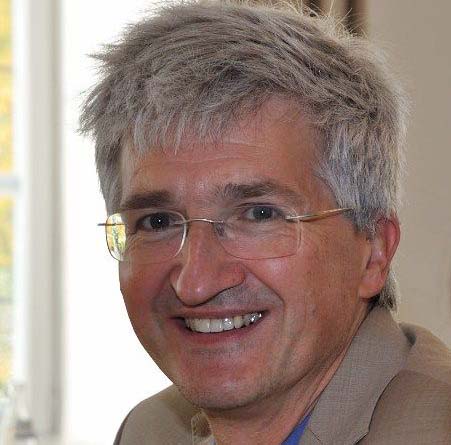
The formation of the new German government three weeks after the national elections that reconfirmed Angela Merkel as Chancellor, is yet to be defined. Observers are considering other options given the difficulties of CDU-CSU Christian democrats and SPD Social-Democrats in reaching an agreement on hot issues. SIR Europe’s correspondent Massimo Lavena spoke with professor Markus Vogt, Professor of Christian Social Ethics at the Catholic theology faculty in Ludwig Maximilians-Universität in Munich on the role of German Catholics in the debate under way, collecting his view on the urgent issues the new government will be called to address. Which government coalition is most likely to be formed by Merkel’s third Chancellery?”I’m not sure that a large CDU-SPD coalition will actually be formed. SPD is afraid to loose grounds as the ‘minority partner’, compared to Christian-Democrats. The Greens’ new leadership, a result of the outcome of the polls, increases the chances of a black-green coalition, although the road is long and marked by hurdles. The Greens over-emphasized ‘left-wing’ themes, such as tax increase, instead of highlighting their strong points in the area of ecology as expected, considering also the errors linked to the change in direction in energy policy. They finally have a younger leadership and started to grant greater space in the Party to Winfried Kretschmann, member of the Catholic Church and defender of Christian ethics. If this change in direction support by all Party members could lead to a strong alliance for the future, also in terms of content”. What are the most urgent issues at ethical level?”In my opinion the most urgent ethical issues are: authentic financial supervision and reduction of national indebtedness, along with Germany’s fair balance of solidarity and responsibility within the European economic and monetary Union; the progress of the new energy efficiency program, mindful of social equality issues with global and European support (for example the reform of Greenhouse-gas emissions trading within the European Union) for climate protection and generational fairness; the protection of human dignity in the framework of new developments in the area of biotechnology and medicine; the strengthening of the family by ensuring the family and work balance; choosing between family and external childcare to children under 3; financial compensation (for example, in fiscal policies) and supplementary training, the restructuring of social security systems (especially pensions and health care) considering rising household costs and demographic changes, along with the simplification of the tax system”. What are the prospects of embryo protection and end-of life issues?”A major target is to prevent further embryo ‘liberalization’, that is being called for through a new law on reproductive health. Embryo production for reproductive purposes, along with animal-human hybrids, must continue being outlawed. As regards end-of-life it’s important to make sure that qualified palliative treatment and hospice assistance is provided within the hospitals, so as to ensure a ‘humane death.’ This will contribute to decreasing the supposed appeal some have of euthanasia. The care of the dying must be supported in the best ways for example with the possibility of obtaining a work leave for family members who provide assistance to the patient”. What is your view of Germany’s commitment in arms trading?”A strong increase in German exports over the past years contradicts the guidelines of Christian ethics of peace. In particular, it’s important to prevent uncontrolled export of chemical substances that could be used to develop poisonous gases. The war industry aims at export owing to rapidly expanding research and development costs. It therefore ought to be perfectly coordinated at European level, so as to diminish economic pressures to sell to the most unstable parts of the world. After the US backed out of global security policy, Europe, and as a consequence also Germany, take on new areas of responsibility, which up to now have been insufficiently addressed through joint diplomatic and military action”.
