ENGLAND AND WALES
The High Court says no to the appeal against a faith school in London

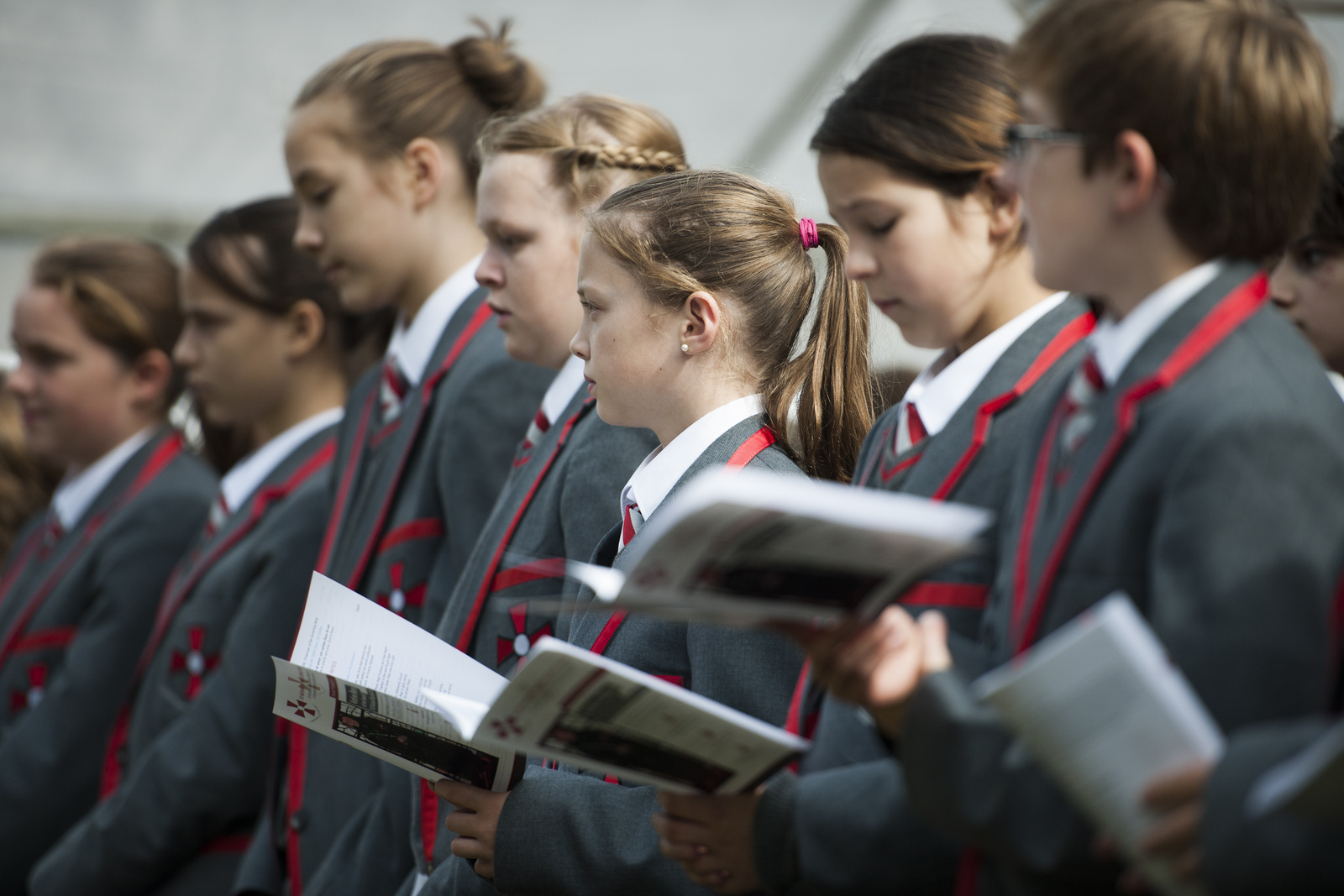
The inauguration of the St. Richard Reynolds college in Richmond, an elementary and a high school that will welcome 1300 students in this south London neighbourhood, marked the end of a long battle in the war between an ever more secular United Kingdom and Christian Churches. The opening of the new education compound, devoted to one of the first martyrs of the British Reformation initiated by Henry VIII, had been opposed by the “British Humanist Association” of Richard Dawkins – an organization for the promotion of the values of secularized humanism – and by the “Richmond Inclusive Schools Campaign”, an association that hails as “discrimination” the opportunity given to Catholic schools to give precedence to baptized pupils. They eventually filed a legal challenge to the High Court, which dismissed it on the grounds that the religious families were being discriminated – and not the children raised in an atheist household. No burden on taxpayers. “English legislation grants parents the right to select the school for their child, which includes faith schools”, explained Kate Griffin, in charge of education for the diocese of Westminster, where the school of St. Richard Reynolds is located. “The so-called ‘Faith schools’ were set up in England in 1852, thanks to donations by the faithful. But financial support by the government came in only after many years”, which however was not enough to cover the costs of all the schools. Still today, the Catholic Church provides the school property – the cost of which would have to be covered by taxpayers if the current system were changed. But at present there is no such risk. “Although we live in an ever more secularized society, in which attacks on religious institutions are unavoidable, our schools continue being the flagship of the British education system. We’re very proud of it because not only do they provide high-level education, they also give a relevant contribution to the community by teaching students to appreciate the values of the common good”, Kate Griffin said. The local community defended the school. “What happened in Richmond is evidence of this fact: the local community defended the new Catholic school from the attacks of the humanist society”, continues the coordinator for Education of Westminster’s diocese. “During our long awareness campaign calling for the protection of the school, the Catholic parents were fully supported by the town Council. By giving Christ a central role in all their lessons, students are taught the fundamental values of a community.” Upon the inauguration of the school building, Archbishop Vincent Nichols, Catholic Primate of England and Wales, said that humanist and atheist pressure groups “disseminate divisions inside the community” preventing the faithful from expressing their identity or passing it on to their children, thereby transforming religion in a taboo to be confined in private homes. “The right of the parents to educate their children to the values they deem most noble is enshrined in European Conventions”, said Archbishop Nichols.Catholics’ presence. Although there are only 5 million Catholics in England and Wales on a population of some 60 million, the Catholic Church runs 10% of the schools, i.e. 2.257 school institutions, whose students achieved top grades in GCSE exams, although 33.5% of all students belong to ethic minorities and 20% come from very poor families. However, public schools are not only run by the Church. Also the Church of England – as well as Muslim, Jewish, Sikh, Greek-Orthodox and Adventist Church faithful – can count on State funding for schools in which the religion classes from an important part of the school curriculum.
