SYRIAN REFUGEES/2 " "
Caritas Stockholm: “Let us strive to ensure Syrians a normal life”

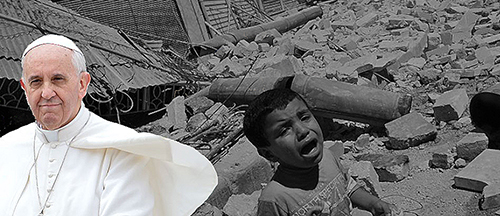
In the period 2012-2013 Sweden received 17400 asylum-requests from Syrian refugees. 1200 protection requests were filed in the month of August, and almost one thousand in the first 10 days of September. George Joseph, responsible for immigration and refugees for Caritas Stockholm drew an alarming picture of the situation. These peaking numbers are due to the decision, announced on September 3rd by the Swedish migration agency, to grant a permanent working permit to Syrians that are refugees here. The procedure leads to the acquisition of full rights such as family reunification, that is not granted with temporary permits, but which is a key factor in the integration process. Germany and Sweden are two European countries with the highest number of incoming migrants, but the Scandinavian country is the only Country to do put not conditions: for example, to cross the border refugees have no other option than to be accomplices of illegal trafficking. Let us start with this problem: how do Syrians reach Sweden? “Some of them transited from other European States, but the majority arrive with the help of traffickers and smugglers. There are no other legal possibilities of entering Europe today! No country envisages the possibility of legal entry to ask asylum in a European country. This is a serious contradiction of European asylum legislation, which on the other hand is marked by positive aspects. No nation envisages the possibility of filing an asylum request in embassies or in EU countries’ consulates abroad”. What happens when people manage to reach the border? “When they’re at the border they are not received by the police but by immigration authorities. Here, along with a temporary accommodation, migrants receive fundamental information and have the opportunity of being given all they need and what they don’t have the means to provide for themselves. As soon as they receive a permit, they are accompanied to different cities in the country. They can count on integration services and support, consisting in language courses and information on the life in Sweden. Children are integrated in the school system. Once they have a permit they are treated like all other citizens, with equal rights”. Who are they and where do they come from? “Among the Syrian refugees there are both Muslims and Christians, there are families with children, although I don’t know the exact numbers. The Syrian community in Sweden largely grew during the Lebanese crisis. They are people with devastating traumas. After their flight from Syria they lived in Lebanon and Jordan, after which they experienced further transfers and insecurity. They witnessed death and destruction. But they are strong people, just as most of the refugees are”. What is the Swedish population’s general attitude towards Syrian refugees? After all, Stockholm is thousands of kilometres from Damascus, and the two countries’ history, culture, and traditions are truly distant … “There is a great understanding on the part of the population. There exists a small group of intolerant extremists in society and in the parliament, but they don’t have much influence. On the whole people support Syrian migrants. In particular, many old people devote themselves to the migrants by visiting them in their homes, helping them and giving them advice or human contact”. What kind of help does Caritas provide? “We are present when people arrive, we provide them with information and we follow asylum requests until they are processed. Contacts with these people remain even after they obtain a residence permit, along with various forms of support. We try to ensure they will eventually lead a normal life… Another aspect of our work takes place with local communities to promote integration, provide information, and prevent situations of tension, which sometimes happen. Caritas Sweden is also a fund collection centre for humanitarian aid in Syria and its neighbouring countries”. Is there ecumenical cooperation for this kind of service? “A coordination of communities through the Council of Swedish churches organizes debates and common activities. For example, we have set up with the Lutheran and Muslim communities information centres for refugees”.
