NORWAY
The Scandinavian country renews the parliament at the end of a scarcely lively campaign

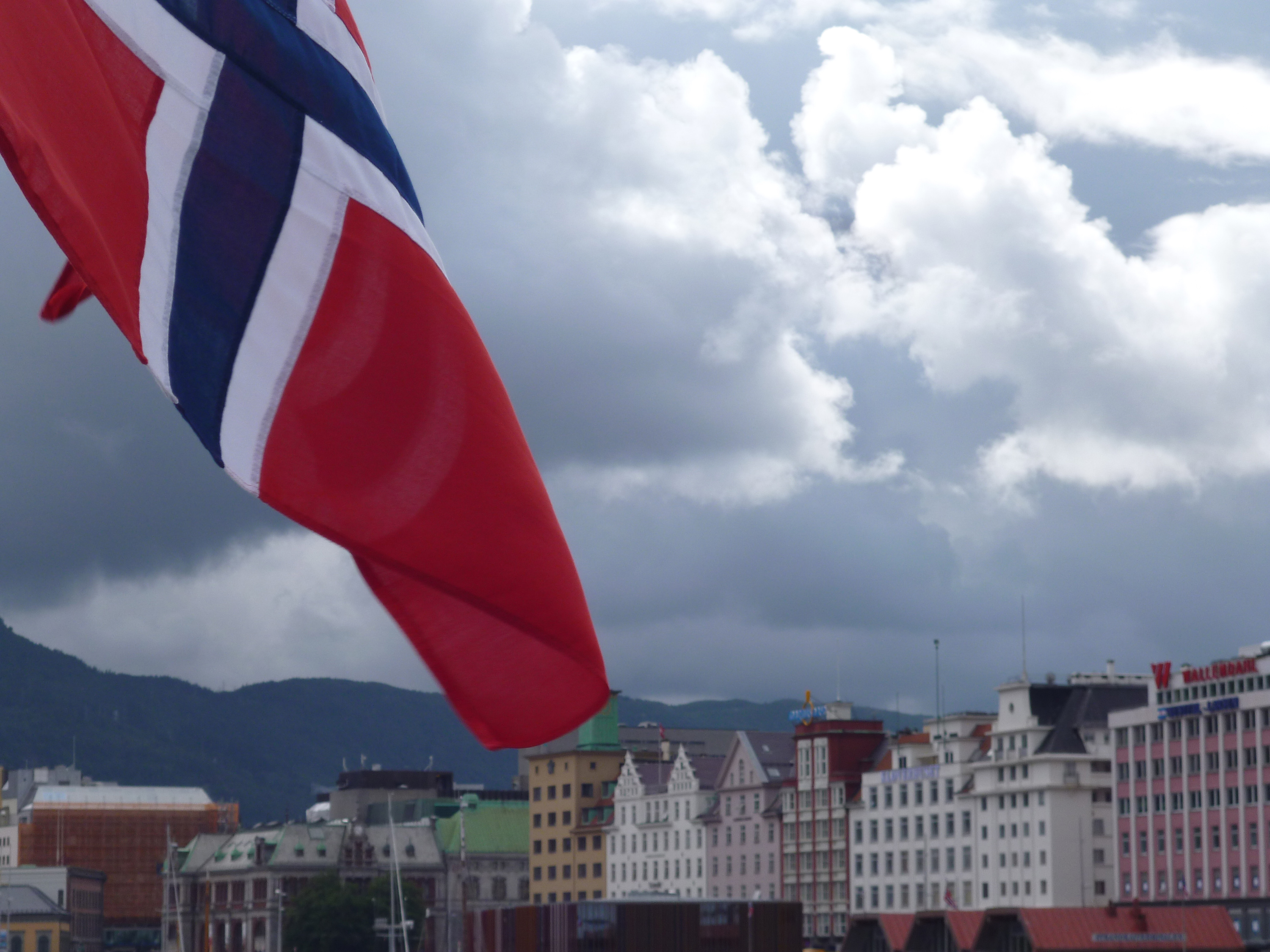
Norway goes to the polls on September 9. 5 million living in this constitutional monarchy will elect 169 members of the Storting, Oslo’s parliament. The Labour government held office for two legislatures. Sarah Numico interviewed for SIR Europe Lars Roar Langslet, long-term MP, Minister of Culture (1984-1989), the first Catholic to be at the government in a Country where until two years ago the Lutheran was the national Church. What are the most debated themes in this electoral campaign? "Health, school system, communications… in general there are no political clashes. Differences between the main political parties are rather small, although candidates have tried to persuade us they’re enormous, but I don’t believe they have succeeded. One of the reasons why a change in government is the foreseeable result of this vote is that many people think that 8 years are enough for a government. A change in the political nomenclature is healthy for democracy". Will citizens go to the polls? In Europe there is a crisis in participation… "I would not say there is such a crisis. The interest in the political campaign has been limited, but many will go to the polls all the same. The stability of the electorate as it once was has ended. A large part of the population is changing parties, deciding whom to give their vote at the last minute. This is the element of uncertainty that will affect the final result". Norway is not an EU country. Is adhesion being discussed? "Two of the majority coalition parties are against Norway’s EU adhesion, thus the first minister has always avoided facing the issue. Moreover, the crisis of euro zone countries thwarted the need to address this theme. But the fact that Norway is an EEA (European Economic Area) has already diminished national sovereign. We are bound to implement economic decisions we haven’t made. We’re a sort of EU satellite country". Norway seems to be a country where everything works perfectly at political, economic, social and civil level. What is the secret of such perfection? "The material secret is certainly oil, which changed the financial situation of the Country. The country’s economic policies and the creation of a complex welfare system have been very effective. But many things still need to be improved, such as red tape and the level of our schools: the teachers’ formation needs improvement". What is the churches’ influence in the political and social life of the Country? "The elimination of Lutheran confession and State religion marks an important change. As a majority Church it enjoys certain privileges, such as economic support by the State, which is also granted to other religious communities on the basis of the number of faithful. But it seems to me that the Lutheran Church has lost a lot of its influence. Themes such as abortion or education are no longer addressed in political debate. The Catholic Church has grown considerably thanks to immigration. It is highly respected, but it has little influence on the life of the country". Does the integration of the migrant population proceed smoothly? Are there populist thrusts? "There partly are, but the populist party, the Progress Party, has become moderate, because it yearns to be in the government. Problems linger on, but in general migrants’ integration isn’t a thorny issue, as unemployment rates are very low". Four years since the attacks of July 22 2009, what is the social fabric of Norway experiencing? "That terrible shock dwelled for months in the minds and consciences of individuals. The fact that the culprit was an outsider, a person that acted alone, isolated from the rest of the community, and that the trial that led to a guilty verdict was broadcast on television, helped people handle that shock. However, the tragedy that hit the victims’ families didn’t affect political life, exception made for a debate on the need to improve security measures".
