EDITORIAL" "
The “European future” of six nations in the light of recent EU elections ” “

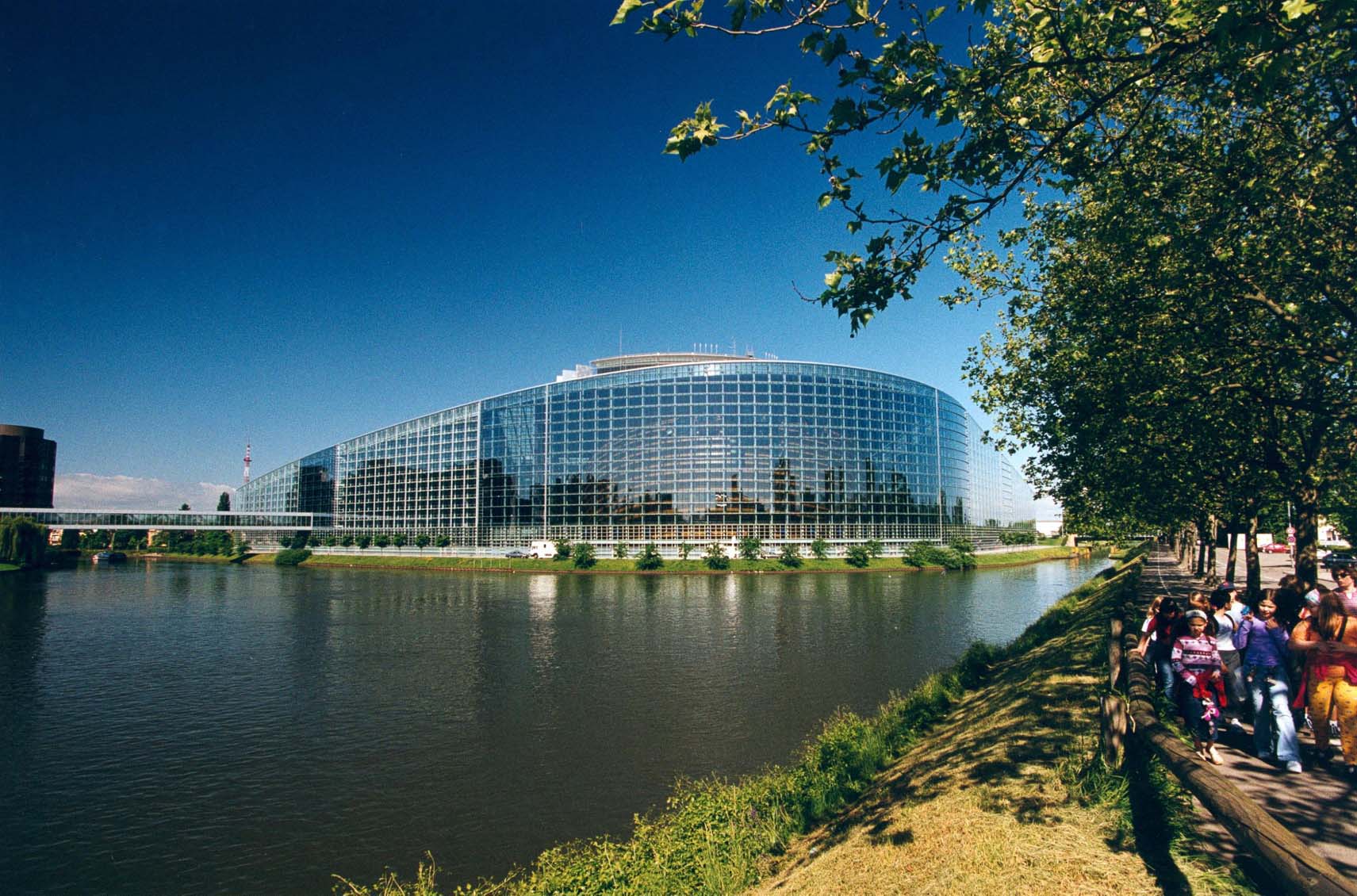
Citizens of all twenty-eight member States of the European Union went to the polls for the renewal of the Parliament in Strasbourg. The outcomes of the elections have changed the face of the Assembly. Over the past five years traditional balances among national political forces and the EU have experienced a period of crisis and triggered internal debates that have called into question the very existence of the EU. South-Eastern European countries followed these elections with great attention but also with perplexity and widespread concern. Indeed, the outcome of the polls may bring about a positive or negative change in terms of the EU adhesion of six Balkan countries, three of which have already obtained a candidate-status (Montenegro, Serbia, Macedonia) while the remaining three are still at the first stages of the process (Bosnia-Herzegovina, Albania, Kosovo). Will the EU enlargement process be accelerated, slowed down or interrupted? Will the western Balkans join the European Union one after the other or all together, only when the last one will have completed adhesion negotiations? In other words, will those Countries that have managed to implement the political, economic and social reforms envisaged by the EU adhesion agenda be immediately accepted or will they be penalized for having waited for the latecomers? Can the EU afford to weaken the pro-European enthusiasm and hope in a better life of these nations with some fifteen million people that have remained isolated in the last “ghetto” of a multinational and multicultural united Europe? It is to be hoped that the outcome of the elections for the renewal of the EU Parliament will hasten adhesion. Indeed, it is believed that EU institutions’ leadership is aware that a slowdown will end up favouring anti-European forces at national level, which to date have represented a minority of citizens and politicians (who, with due exceptions, are in favour of Community integration). It should also be noted that in case of a slowdown in the EU adhesion process, the leaders of Balkan countries may be tempted into turning to other partners, seeking new political and economic partnerships outside the EU. Or those still feeble voices demanding that national governments renounce this process – as was the case of Iceland – might grow stronger. It should equally be borne in mind that the very image of the European Union is not the same it was in the past, and perhaps it’s not as attractive as it once was, also because of widespread fears over the fact that the national economies most direly affected by the crisis include Greece and Italy, which have represented for a long time the first “symbols” of European integration for the populations of Western Balkans region. Moreover, a stall in EU enlargement could disappoint a large number of pro-European forces that see in the adhesion process the only true thrust for the pursuit of significant political, economic and social reforms, for a better life after the period of the 1990s armed conflicts whose outbreak was also caused by the absence of a solid democratic tradition, by production systems’ poor competitiveness and by the want of a true free market… Since the fall of the Berlin Wall in 1989 that part of Europe has gone through various turbulent periods, marked by nationalism, war, exodus, humanitarian disasters. Most important, in a few weeks will be held commemorations for the 100th anniversary of the outbreak of World War I that sparked off in the heart of this region, in Sarajevo, on June 28 1914. Moreover, it is hoped that in the crucial moments of the Balkan countries’ journey towards adhesion the idea of a completely united Europe will prevail across the EU, that this idea may not only remain a vision, but that it may become an accomplished fact.
