CHURCHES IN BRIEF

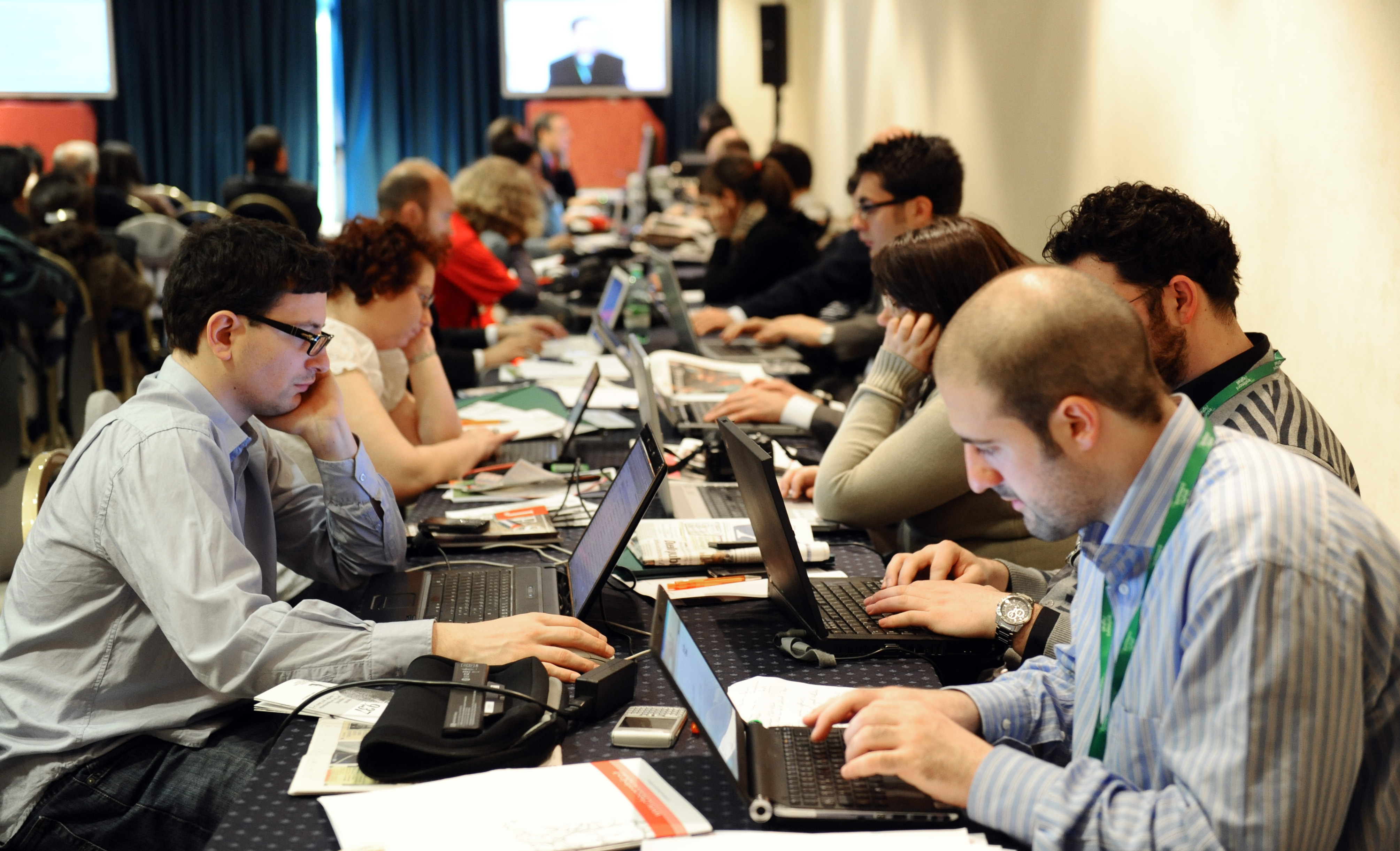
Spain: “from digital culture to the culture of encounter” “At the service of humanity” is the title of the message of the Media Commission of the Spanish Bishops’ Conference (CEMCS) on the occasion of the World Day for Social Communication that will be celebrated June 1st. The message describes the new culture developing through the modern means of social communication, characterized by “its dissemination and speed at global level coupled by a worldwide geographic extension”. As the bishops point out, this culture involves all human dimensions: “the way in which people approach knowledge, how they relate to others, work, and enjoy themselves”, in a process extended in time and space. Before this new culture, that “cannot be renounced”, Spanish prelates highlight opportunities and risks. For example, “the massive diffusion of knowledge promotes closeness to the truth, that underlies freedom”. Drawing a balance between opportunities and risks, the bishops argue: “With time, traineeship and experience risks decrease and opportunities grow. Those who work in the field of the new technologies as well as the users of these tools are called to make the most of the opportunities they provide”. The prelates recognize the important role played by journalists: “With appropriate formation, in-depth knowledge of the social reality and a skilled ability to discern deriving from their personal experience, journalists can help ensure that the truth is not shipwrecked in the digital ocean, but rather that it may be transmitted with the just criteria to all those who consider it a banner of freedom”. The bishops equally appealed to journalists to continue their service for the common good of humanity, urging them to take up the mission of “transforming the digital culture into a culture of encounter through their work”. Slovakia: pilgrimage of Catholic media Bratislava will be the venue of the sixth Pilgrimage of Catholic Media of Slovakia (May 31st), promoted by Monsignor Stanislav Zvolenský, president of the Slovakian Bishops’ Conference and of the Council for Social Communications. “This event is an opportunity for Catholic media workers to meet their readers, viewers and listeners. It also provides a space to express gratitude to all those bearing witness to the truth and to the values of the Gospel values in the media world”, said Jozef Kovácik, director of the Press Office of the Bishops’ Conference, underlining the need for synergic action among the various Catholic media to promote evangelization and the efficient dissemination of God’s presence. The event, is an occasion to exchange experiences and opinions, that includes workshops and rich cultural programs such as the consignment of the Andrej Radlinský Prize, recognizing the contribution to the development of Christian means of communication and the promotion of Christian values in the field of journalism. The pilgrimage take place along Capitol Street, where are located the offices of several Catholic media, such as the Catholic Newspaper, TV Lux and the Press Office of the Slovakian Bishops’ Conference. Departure from The Netherlands headed for Lourdes “On Saturday afternoon, May 31, over 900 Dutch pilgrims will convene in Lourdes to celebrate Mass at the grotto of the Apparitions”: it was announced by the Conference of Dutch Bishops that made known that on May 29, Day of Ascension, the first group of pilgrims “left for Lourdes from several Dutch cities”. On Friday May 30 a special train from Maastricht will bring pilgrims and volunteers. On Saturday May 31 “the last group will travel with a special plane”. The group of “healthy and sick pilgrims” will be accompanied by bishop Hans van den Hende from Rotterdam and by bishop Frans Wiertz from Roermond. Limburgse Bedevaarten, a non-profit body, and its volunteer workers will coordinate the initiative in conjunction with the Pilgrimage Foundation for the sick, established in 1928 on the initiative of the Catholic workers’ movement. The pilgrimage is one of the most numerous in the history of the two agencies.
