EDITORIAL/2" "
EU elections: not only a political challenge. The future of the continent is at stake

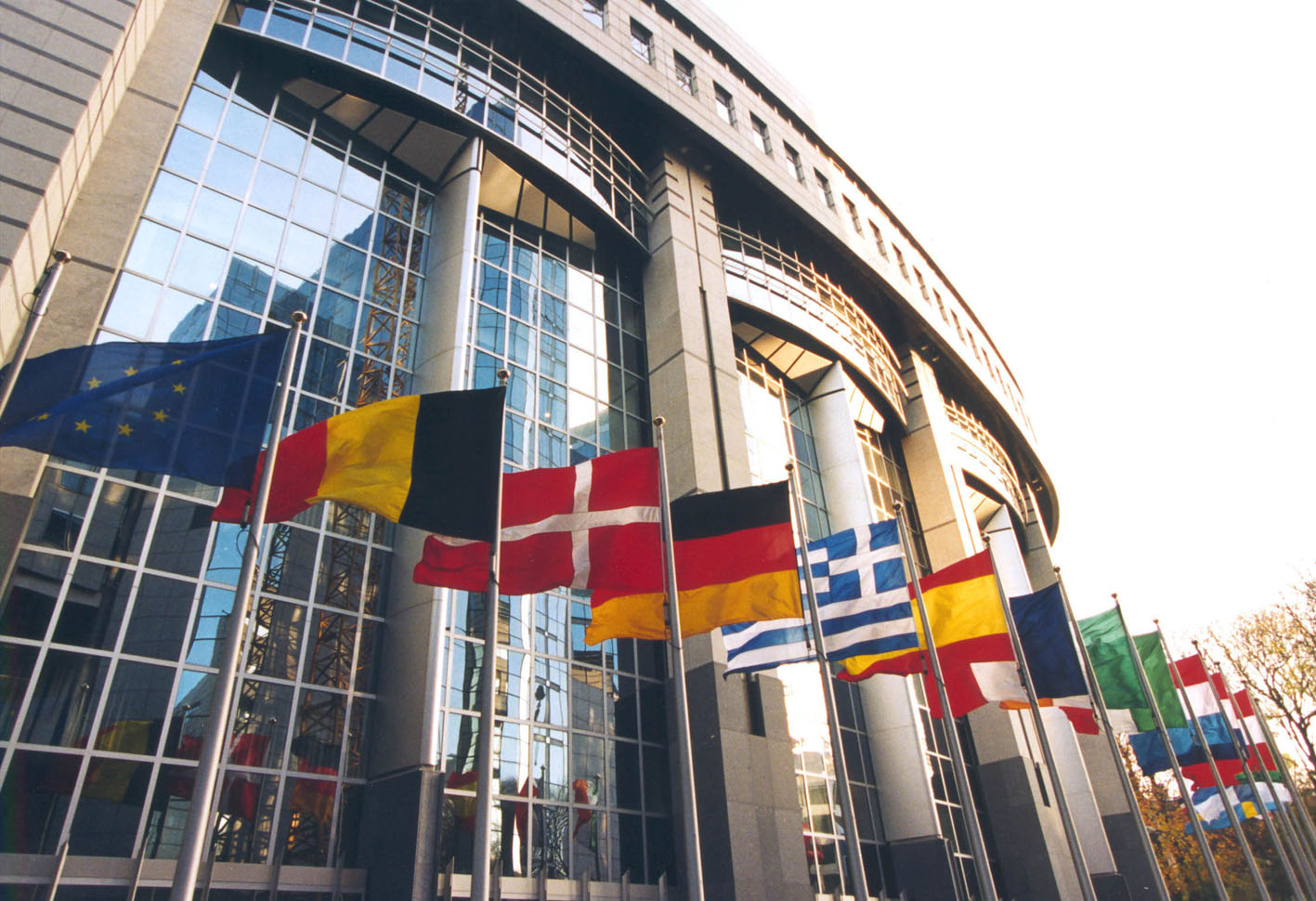
“European politics should dare; dare to communicate, dare change, and above all, ‘dare democracy’ After five years of economic downturn, frustration, surging unemployment, business as usual is out of the question. The wave of euroscepticism and populism that intends to tear down the EU is growing larger every day”. Martin Schulz, elected European Parliament president in 2012, voiced his concerned appeal in his recent book “Der gefesselte Riese. Europas letzte Chance” (The giant in chains. The last chance for Europe). Ongoing tensions in the Ukraine, which the whole world is following with bated breath, prove that Schulz’s worries are realistic. A weakened EU will but thwart the political resolution of a serious crisis. The image of a muscular person in chains represents the arrogance of technocracy and bureaucracy and their rule over politics and culture. Moreover, there also emerges political weaknesses and surrender before complexity in the face of a crisis which extends beyond the economic realm, coupled by disorientation and the need to hope in the future. The fact that the giant’s enchainment is not the consequence of fierce struggle against the “monsters” in Brussels and other European capitals but of early surrender seems possible. In any case, Schulz writes, “we should break these chains so that Europe, the other ‘giants’, and the other world powers may help confining past mistakes to the 20th century”. Correcting past mistakes is paramount, but it’s not enough to ensure Europe’s recovery. Long-term vision, along with great cultural, social, spiritual horizons are needed, so that the common good, peace and solidarity may not just be empty words. Nor is it enough to repeat: “more Europe is needed”. It is necessary to identify those areas where “more Europe” is needed, and adopt the most appropriate decisions aimed at the progress of the areas involved. Schulz identifies the monetary and business sectors, foreign affairs, economic policies, migration, the environment. Unquestionably, these are priority areas. However, Europe’s upswing doesn’t only pass through these paths. Before it’s too late, it is necessary to reopen the avenues leading to the formation of a European conscience, to recuperate the reasons of being together in history, and to reaffirm a form of solidarity that extends beyond national borders. The elections of May 22-25 are drawing near, while euroscepticism advances and while dark clouds crop up from the East. The vote is a choice between the sleep of the giant and the reawakening of a Europe that feels the responsibility of playing its cards for freedom in unison, to avoid becoming a pawn in the game of chess played by superpowers. “European politics should dare: dare to communicate, dare to change”, Schulz writes. But politics is not nobody’s daughter. And if culture, starting at national level, fails to stop “thinking as usual” it will be difficult to find the reasons for a joint effort, and the giant will remain chained – helplessly watching the collapse of a house built with bricks of confidence and hope. The European elections draw close, and at least for now, the increasingly threatening shadows of the tensions in Ukraine are hovering over them. It’s one more reason to give the European vote a value, not just in political terms; one more reason to release the giant from the chains so that, once free, it may meet the expectations of solidarity, growth, justice and peace. European citizens will go to the polls very soon, and it might be the last chance “to proudly reaffirm that we are Europeans”.
