CHURCHES IN BRIEF" "

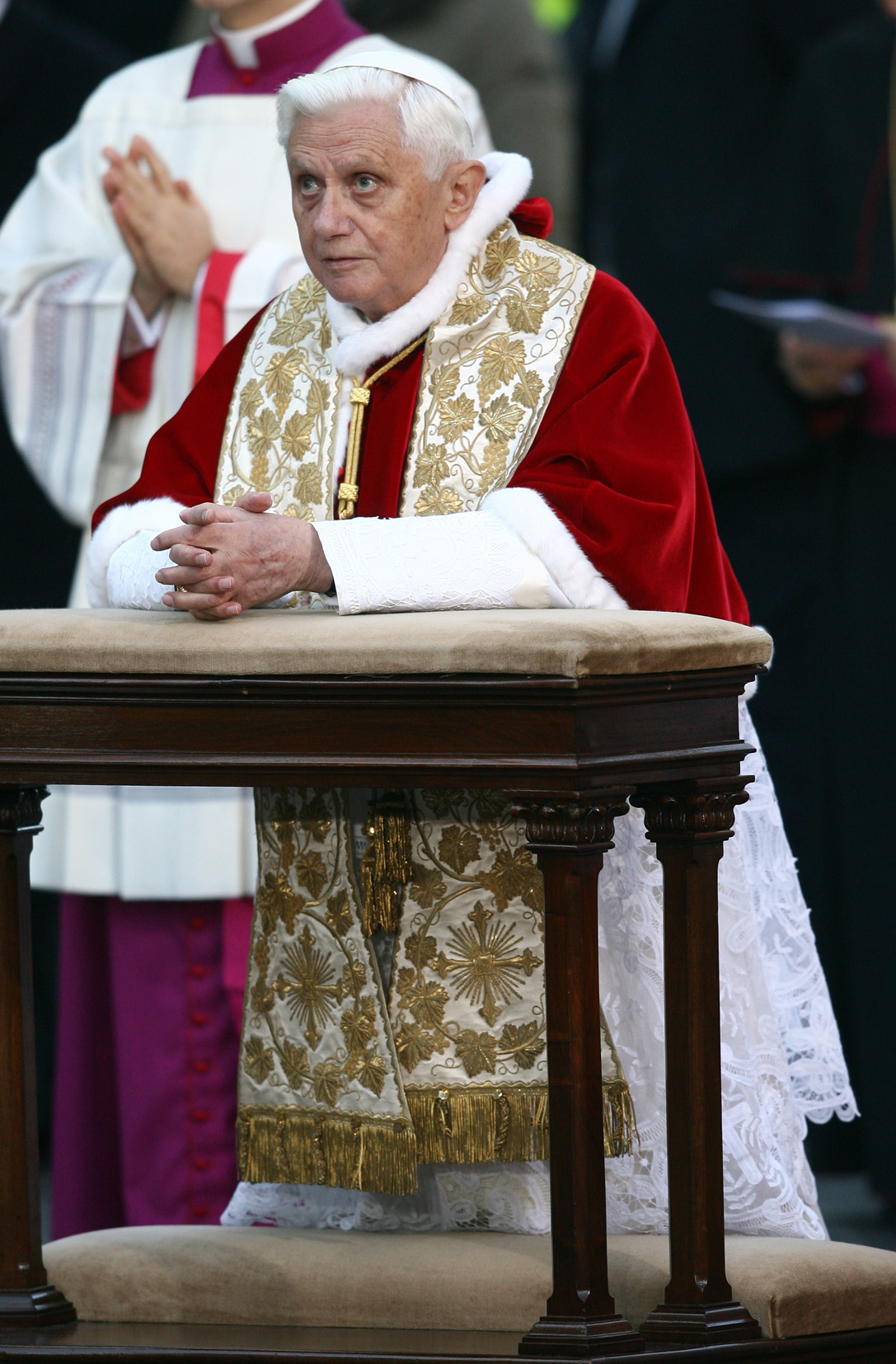
Spain/1: John Paul II theology seminaryAn agreement ratified by the bishop of Almeria, Msgr. Adolfo González, and by the dean of the University of Almería, Pedro Molina Roque, stipulated the establishment of the Theology Seminary “John Paul”, thereby strengthening relations between the two institutions and enriching the academic program and university education. The new Seminary envisages strictly academic courses as well as seminars to increase the knowledge of theology, the Holy Scriptures and the history of religions, such as the promotion of areas for encounter and service to the members of the large academic community of Almería. Moreover, the cooperation agreement provides for access to diocesan libraries and archives to researchers from the University of Almería. The venture is expected to prompt cooperation projects with the Higher Education Institute for Religious Sciences, under the auspices of the Pontifical University of Salamanca and the University of Almería. Upon signing the agreement, Msgr. Montes said that the agreement “initiates a time for cooperation and hope”. Spain/2: Activity of the Conference of the religiousYouth, spirituality, lay people and migrations are the areas to which are dedicated the activities organized in February and March by the Spanish Conference of the religious (Confer). On February 15 the pastoral care of vocations will reflect on “Paths of communion: religious life and local Church”, focusing on the engagement, activity, of religious men and women in the various dioceses. The initiative, due to be held in Madrid, will give prominence to two panel lectures – delivered by Koldo Gutiérrez, Salesian priest, and by Juan José Andrés, delegate for pastoral care of vocations in the diocese of León. The areas of justice and solidarity, and of mission and cooperation are the focus of the days on “Spirituality and social transformation: dreams and hopes of religious life”, held February 21-23. On Saturday March 1st Confer will be organizing a day on the apostolic exhortation “Evangelii Gaudium” by Pope Francis. “#JuntosSomosMas” is the title of the meeting of March 22 set to celebrate the ecclesial dimension of lay Catholicism. Finally, the department of justice & solidarity, in conjunction with the chapter on mission & cooperation, promotes a Day on Migrations, scheduled for March 29-30. Portugal: Synod, how to transmit the faith? The spokesperson of the Portuguese Bishops’ Conference (CEP) announced to the press that “thousands of peoples and groups, with various degree of attachment to the Church ” have filled out the questionnaire in preparation for the next Bishops’ Synod dedicated to the family, and that the data collected by Portuguese dioceses has already been sent to the Vatican”. The documentation sent at the end of January, consisting in “an overview of the summaries drawn up by each diocese”, consists of 300 pages, including original copies of some questionnaires, as requested by the general secretariat of the Synod. Welcoming “the large participation”, Msgr. Morujão said that “the data collected by respondents at national level shows that families stumble upon a set of difficulties as relates to the transmission of the faith”. “Often the school environment is expected to be the bearer of moral virtues and ethical principles, while the Church is expected to provide religious and catechetical education, while the family should be the best environment for the transmission of those values”. According to the outcomes of the survey in Portugal, “people strongly feel the need to bring about an improvement of the family within, and look at the future with hope”. As regards more complex issues, such as “same-sex couples” or “the education of children born within irregular wedlock situations”, respondents “call for a more inclusive Church, that will preserve fundamental rules, since the Church must keep up with contemporariness. She should not reinvent herself”, concluded Msgr. Morujão. Ukraine: Parliament, Church-State relations The Parliament of Ukraine has decided to withdraw several bills on the subject of Church-State relations and religion tabled for Assembly debate. Some were rejected by MPs and by the religious community. The legislative proposal meant to “prepare the ground for the restitution of religious buildings to religious communities” would have given the government both the authority to manage the property used for religious purposes as well as the power to take decisions regarding restitution to religious organizations. Moreover, the bill stipulated the removal of 135 sites “from the list of sites recognised as cultural heritage that cannot be privatized”. According to the Institute for Religious Freedom, various items were also removed from the parliamentary agenda. These include a set of resolutions by the Verkhovna Rada regarding celebrations of religious anniversaries, religious celebrations marking the birth or death of prominent Church leaders such as metropolitan bishop Andrey Sheptytskyi (among the most influential figures of Ukraine’s 20th century Greek-Catholic Church), and cardinal Josyf Slipyi (whose beatification process is under way).
