THE POPE IN STRASBOURG
Mons. Ambrosio (COMECE): EU excessively bound to the present, striving to conceive the future. Focus on youths. The role of Churches

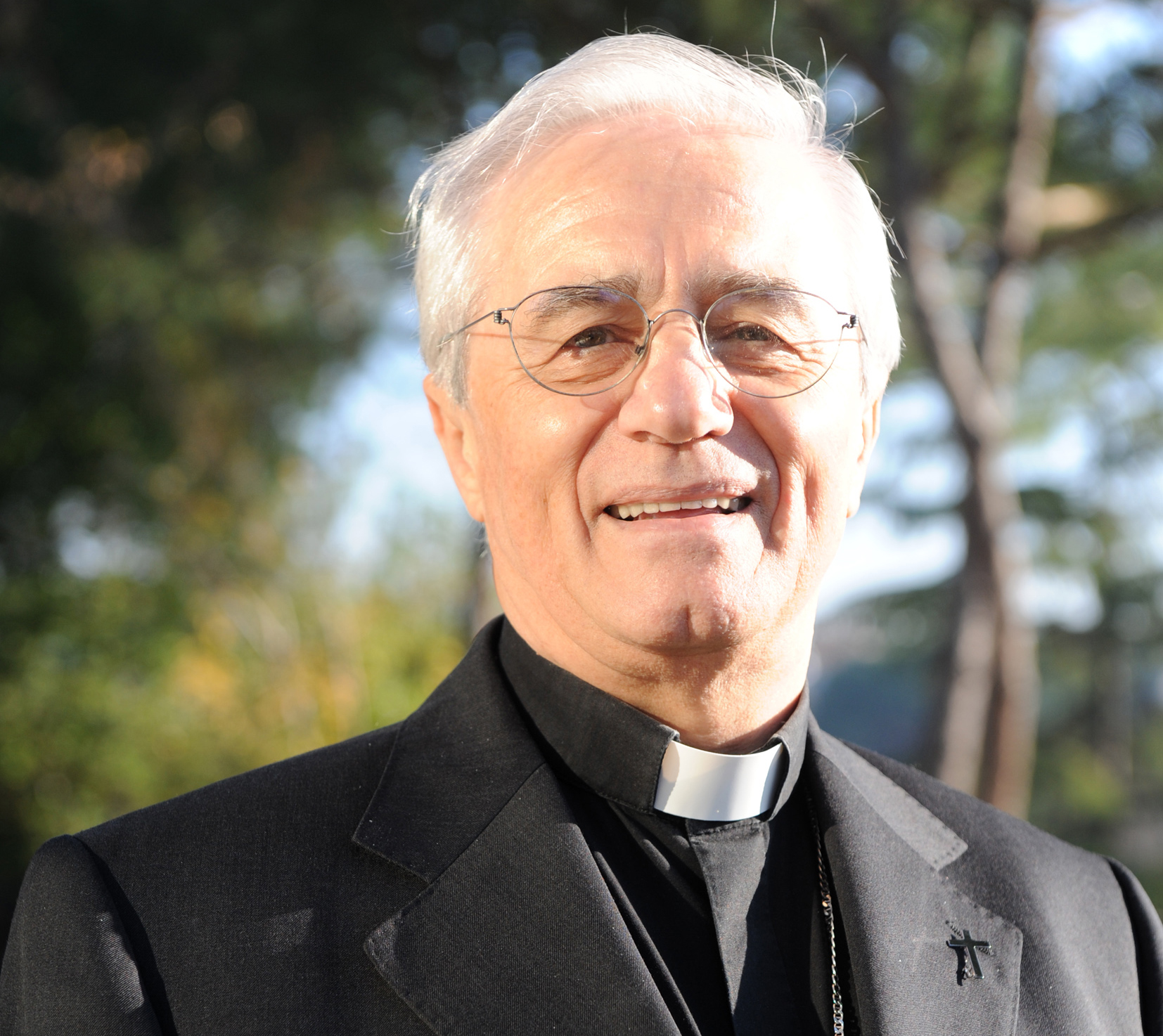
“The Pope visits a hopeless Europe” but “with many young people who love and want Europe”. Europe is the future: it is the greatest challenge that Pope Francis will face on Tuesday November 25 when with a brief, one-day, busy schedule, he will visit the European Parliament and the Assembly of the Council of Europe. Msgr. Gianni Ambrosio is the bishop of Piacenza-Bobbio (Italy) and Europe is part of his life. He has crossed the continent for years, attending its institutional seats, with personal commitments for the creation of a stronger and fairer Europe in his capacities as deputy-President of COMECE, the Commission of Bishops’ Conferences of the European Community. Maria Chiara Biagioni has interviewed him for SIR Europe. Which Europe will Pope Francis meet? “A Europe that needs to recover strength as well as the beacon of hope. I believe that with his charisma and the mission that pertains to his role, Pope Francis will be able to transmit the message of hope that Europe is in dire need of. Hope also means horizons. It means being able of extending our glance to the Skies, to be able to look ahead. But contemporary Europe is excessively bound to the present, excessively involved and sadly closed in its own problems. The Continent carries the burden of economic and financial problems and it strives to extend its glance to the future and transmit young people an ideal that is worthwhile looking forward to”. What do young people think of Europe? “An important aspect emerged from a survey on how European citizens see Europe. Indeed, according to the findings young people continue having faith in Europe. It’s a positive aspect which I believe the Pope will focus on: young people’s yearning of Europe to give impetus to a new proposal for Europe”. It’s significant that a Latin-American Pope will make us rediscover our attachment to the European project. “It is. I think we should firstly thank the president of the European Parliament Martin Schulz for the invitation to the Pope from the onset. But we should also thank the Pope for having grasped this invitation in continuity with the previous Popes who have always animated Europe and longed for this European Community, this union. So while it’s true that young people love Europe, want Europe, it’s also true that they want a different Europe. Let us hope that it may happen within this wider horizon, for the rediscovery of the great European ideals that shaped this union on the aftermath of the devastating world wars”. It is a union blemished by the conflict in Ukraine. This war is a sad reminder that peace can never be taken for granted. “Undoubtedly peace can never be taken for granted. There are difficult and tragic cases such as the situation in the Eastern borders of Ukraine, but there are also many new nationalisms and populisms that would plunge Europe in that same situation of conflict and rivalry that brought bloodshed on European lands. The Pope will come to tell us that we have to look ahead, and not retrocede, to progress towards a European fraternity that stems from our Christian identity, believers in the Lord, which is also brought down to us by that very European civilization that has always sought to bring to the fore the most praiseworthy human qualities. I believe that the Pope will have much to say on this”. What is the role of the Churches within European institutions? “Their role should be that of helping our Europe have a soul. I would like to answer quoting from Robert Schuman for whom we have shaped the European Community starting with the economic aspects, because it was necessary to start with what was easier, but our goal should be the spiritual unity of Europe and of European populations. This is what a secular political leader said. So I think that the task of COMECE is to help Europeans recover that soul and ensure the presence of unity and spiritual communion, as political and economic aspects alone are not enough to ensure progress towards peace, reconciliation and fraternity between peoples”.
