AUSTRIA
Theologian Kienesberger considers rest a necessary wealth: at personal, family and community level

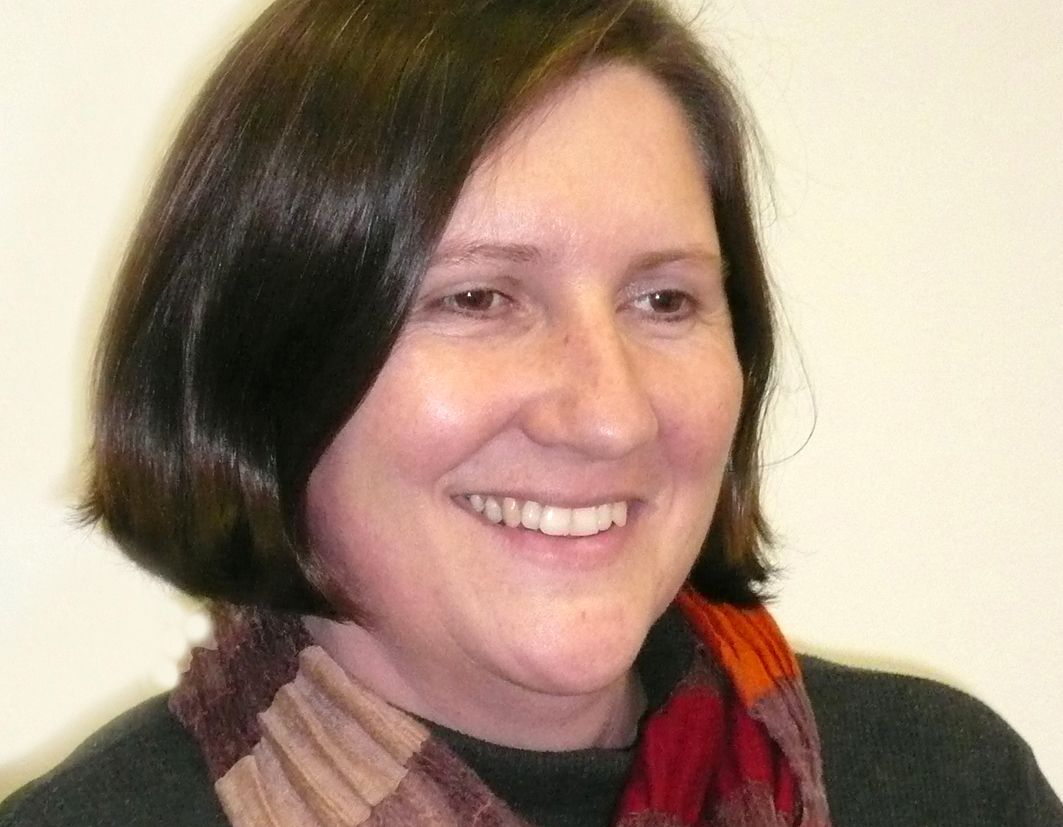
Ever less rest and family on Sunday coupled by increasingly more work, production, business and consumption: it happens in Austria and elsewhere. Official figures on Sunday work in Austria date back to 2012: 612.900 people (of whom 15.800 women) in the production and industrial sectors have regularly worked on Sundays; 8.200 in the agricultural sector. It amounts to 722,200 people on a total of 3 627 300 dependant workers. But the trend is to further expand Sunday work, starting with Vienna. Gabriele Kienesberger, theologian, member of the Allianz für den freien Sonntag Österreich (Austrian Alliance for work-free Sunday) presented an overview of the situation in Austria and reflections on the importance of Sunday rest to Massimo Lavena for SIR Europe. A recent proposal of the Chamber of Commerce in Vienna to liberalize working Sundays in specific “tourist areas” has united contrary voices: what is your opinion? What could be the subjects and categories most pressured by this possibility? “We consider the creation of tourist areas in Vienna unacceptable, as result, also the shopping centres in the suburbs would ask to open on Sundays, claiming equal treatment. This would cross all limits and in the end the entire city would be declared a tourist area. We believe that current opening hours are more than sufficient. Hotel managers in Vienna weekly register an increase in the number of guests from Vienna despite Sunday closing of stores, or maybe even because of it. Vienna has a large number of cultural activities to offer that attract the general public. Who is involved in the opening of stores on Sundays? Shop assistants in all areas, managers and owners of small and medium businesses; workers in charge of the surveillance of car parks as well as the families of the employees and residents of the areas involved, with the related traffic, noise and parking problems …”. At present, at EU level at least 40 MEPs are in favour of regulating “Free Sunday”. Free of work, obviously…. What is needed to increase the national institutions’ attention towards personal, family and social needs and raise their awareness on the advantages of Sunday rest? “The European Alliance for Work-free Sunday intends to set up an interest grouping at the European Parliament. Their goal is to link work-free Sunday to the new European Directive on Labour that is supposed to be re-negotiated. People need to balance work and the family as individuals and as a community. Periods of free time are critical to a stable and serene family life and relationships. People also need regular rest and some time to be able to refresh mentally and physically. The elimination of boundaries between working hours and hours of sleep increases stress and decreases the time of rest needed to reduce it. A clear legal framework applied in several countries – at least in the context of the Sunday break – would reduce the pressure of competition within the country and in the border regions”. Sunday understood as the “Day of the Lord” is confined to an increasingly minor role. How can human needs and social usefulness be given renewed thrust, notwithstanding the religious needs of the faithful? “When the third Commandment states ‘Remember to Sanctify holy days’, from a Biblical perspective the social aspect, i.e. rest comes first, is followed by the religious motivation: the seventh day, Sabbath, is sacred, because God, at the end of the Creation, rested on that day. And the Lord’s blessing is on that day (Genesis 2.2). In addition to Sabbath the early Christians celebrated as day of rest even the first day of the week, as a day of the Resurrection, Day of the Lord, as still do today many Christians around the world. Sundays allow us to simply be ‘human beings’, regardless of our material situation and of professional achievements. With regard to the Churches committed to the demand of work-free Sunday, their concern is for individual and social well-being, just as they speak out on issues related to poverty, global justice and other social issues social. Work-free Sunday is also a symbol of freedom and social cohesion. That is why we speak of a real right of all to a work-free Sunday”.
