BOSNIA HERZEGOVINA
Over 3 million citizens to the polls on October 12. A heritage of the war, internal divisions and poverty weigh heavily on the future

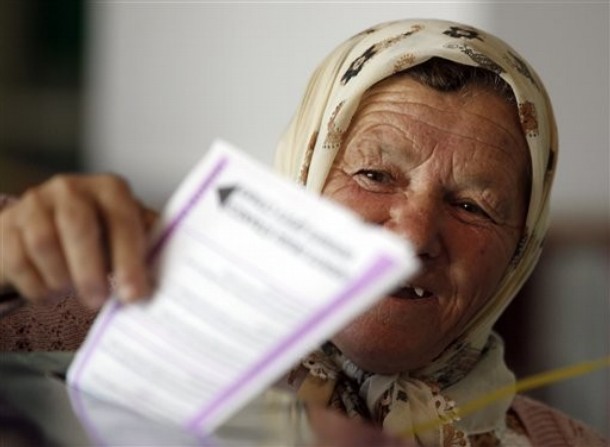
In the midst of an economic and social crisis, a divided Bosnia-Herzegovina will go to the polls for national elections next October. The Country was mortally wounded by May’s and September’s floods (for which February and March street protests were temporarily suspended). Three million 200 thousand voters will cast their vote to elects, within Bosnia’s complex political and administrative scenario (reportedly, 113 political groups 65 parties, 24 independent candidates and 24 coalitions), the new government that will remain in office four years. The constituency will elect three presidents of the three-party Presidency, the representatives of the national Parliament, the presidents and vice-presidents of the two Entities that form Bosnia-Herzegovina, (the Croatian-Muslim Federation and the Srpska Republic, with a Serbian-Orthodox majority). Also Parliament members of the two Entities will be elected, while the Federation will elect the councils of its ten cantons. Dayton’s heritage. Once again, the Balkan country will go to the polls without the constitutional changes that the EU considered an indispensable condition to further European integration process. In particular, the Constitution imposed with the Dayton agreements of November 1995 stipulates that the presidents of the three-party Presidency be elected only by national majority groups, namely, by Bosnian Serbs, Bosnian Muslims, Croatian Bosnians. In short, the election of a Jew, a Roma or any other candidate that is not a member of these three groups is not envisaged. Today’s Bosnia is a deeply divided Country since the Dayton agreements, which stipulated a territorial division not only on ethnic grounds but also on the basis of a “feudal lordship” interested in its own business. Over the years the country’s ruling class failed to take an authentic interest in EU membership, while the Country is held in the grips of widespread corruption and a 44% unemployment rate. Bitterness and delusion. Citizens are overcome “by feelings of bitterness and delusion – said Monsignor Mato Zovkic, former general vicar of the archdiocese of Sarajevo, university Professor -. Things will hardly change after these elections. Ethnic and nationalistic parties don’t mind the status quo, and shun all changes. But we must participate. It’s our civil and religious obligation. Perhaps we should be brave enough to overthrow the old candidates and seek someone who promises something new, whose program calls for authentic change”. And Europe? “We are in a vicious cycle, a consequence of the decisions of the great European powers and of America. Bosnians must do their share but they should not be left alone. These countries should take the problems of Bosnia Herzegovina seriously and put pressure, do something. It’s not enough to reach an internal solution”. The risk of ethnical tensions. Known and less known figures have appeared on Bosnia’s political scenario. The electoral campaign risks being remembered not only for the candidates’ redundant promises, but also for tensions between the various ethnic and religious groups. “The ethnic aspect is entirely political – remarked Tim Judah, writer, correspondent for ‘The Economist’ from the Balkans -. Serbians, Croatians, and Bosnian-Muslims are people with a strong religious connotation as they are respectively Orthodox, Catholics and Muslims. However, religion as such is not as important as it previously was. The former religious leader of the Muslim community, Mustafa Ceric, is running for a Bosnian-Muslim seat at the three-party presidency, but he not expected to have many chances of victory”. The election of Ceric would raise several questions on the risk of Bosnia-Herzegovina’s transformation into a confessional State. “There is no reason – continues Judah – to believe that shifting top seats held by the same persons that over the past years have caused Bosnia’s current devastating situation will deliver a change. National power is in the hands of few party leaders. And they are bound to preserve that power regardless of electoral outcomes”. Bankruptcy risk. In the meantime, the Bosnian State is on the brink of bankruptcy. The Country was also severely affected by the heavy floods that increased pockets of poverty. Moreover, a tragic winter lies ahead for the Croatian-Muslim Federation, with the risk of household heating gas shortage. The recent private agreement (on September 18) between the President of the Srpska Republic (RS), Milorad Dodik, and Vladimir Putin has assured direct gas supply from Gazprom to the sole Serbian majority population at lower costs. It’s a strategic move ahead of the elections, that risks triggering tensions between the two entities, over which hovers the shadow of secession, supported by the RS leader.
