TOWARDS THE SYNOD
Family: reflections, questions and hopes of the bishop of Antwerp (Belgium), Mons. Johan Bonny” “

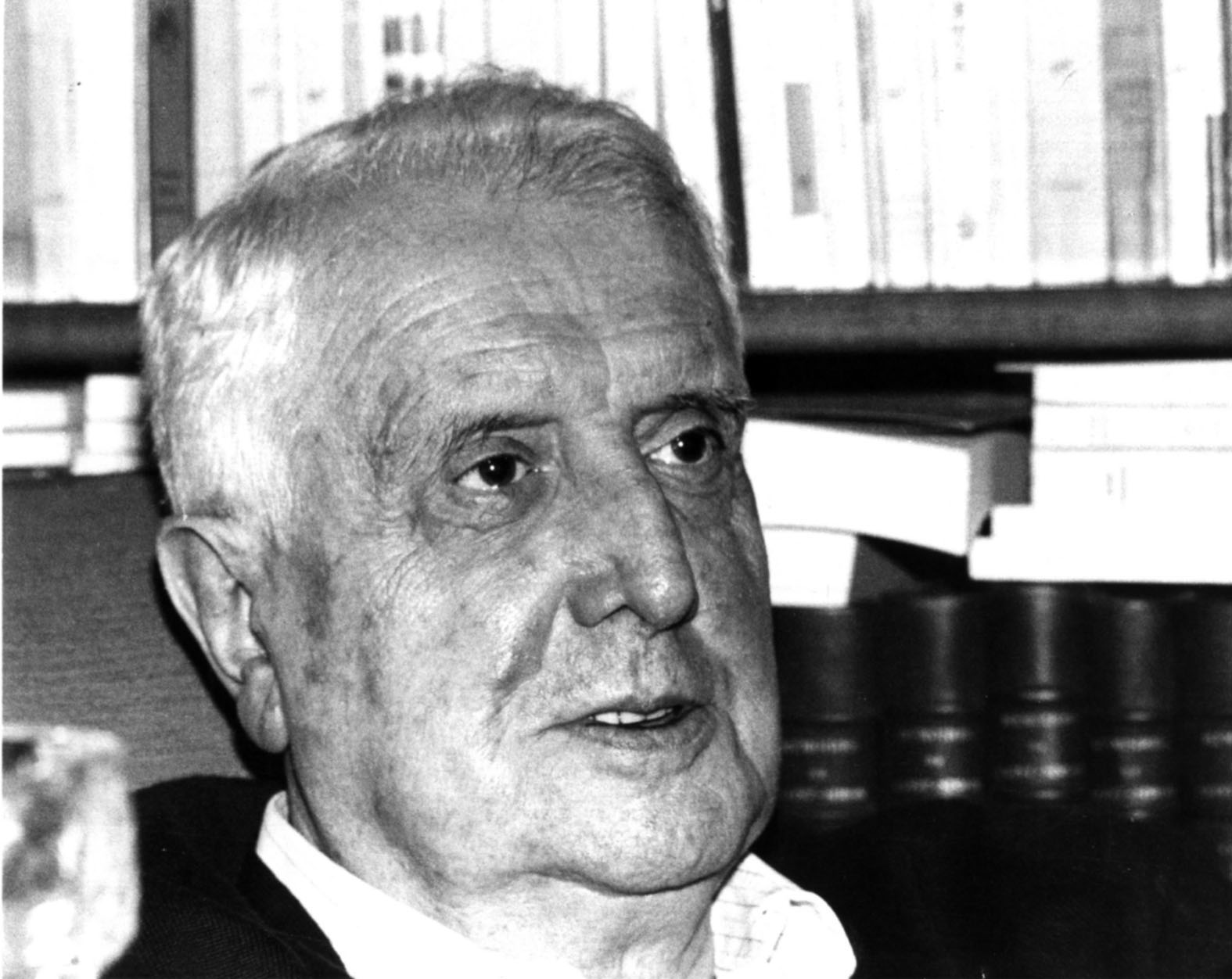
“What I expect from the Synod? It shouldn’t be a platonic synod, withdrawn on a reassuring island of doctrinal discussions and general rules, but rather a synod that is open to the concrete, complex reality of life”. It’s an excerpt from the paper written a few days ago by the titular bishop of Antwerp Mons. Johan Bonny, titled “Synod on the family. The expectations of a diocesan bishop”. It is neither a pastoral letter nor a dogmatic document. It’s simply a text in which a bishop puts into writing his expectation vis a vis October’s Synod assembly. It’s a long and complex essay (24 pages), rich with historical reference and also with the individual stories of young people and couples, which the prelate has met over the years. There’s the story of a woman, a catechist in the parish, divorced and civilly remarried. There’s a young couple that lives together while they develop the decision to get married. There’s the story of J. and K. civilly married as a homosexual couple and the experience of A. and L., who resorted to in vitro fertilization. “To be bishops – Msgr. Bonny said in Antwerp – means to be shepherds, and this works in two directions. I speak to my parishioners of the ideas as well as of the doctrinal and ethical position of the Catholic Church. But there is also another direction which is making other bishops aware of what people live and feel, their joys and their sufferings. It’s a twofold movement, and I wished to give a constructive contribution to the discussion”. Irregular matrimonial situations. The focus of the document by Msgr. Bonny is the quest for harmony between doctrine and pastoral care, with special regard to “irregular matrimonial situations”. For the bishop “there exists a cultural line that goes from the north to the south of Europe”. “Southern Europe better endures the great distance separating reality and the rule”, while in northern Europe “whatever is less beautiful or less positive must in some ways be canalized or regulated within a legislative framework. According to our view, people are not helped through silence or denial”. It would be preferable to have “fewer – albeit enforced – regulations”. Attention focuses in particular on remarried divorcees also since pastoral animators ask bishops for criteria and direction, and the lack of answers generate situations of “confusion”. Bishop Bonny recalls to this regard the juridical tradition of Eastern Christianity: namely, the possibility of having an exceptional document in the name of mercy”. According to the bishop this option can “provide a an opening”. He adds: “Also on this aspect I look forward to the Synod with hope”. Doctrine and pastoral care. Mons. Bonny spoke of his “reflection” with journalists while the interreligious meeting for peace promoted by the Community of Sant’Egidio was underway in his city. “Doctrine and pastoral care go hand in hand – he said. “They both need each other. It has always been this way with Church tradition. Doctrine is created in a dialogue with life and life is lived in dialogue with the doctrine. They are not two separate things with a formal doctrine to be written in an office and a pastoral work to be re-invented in world dioceses”. Realities are also different. “While it’s true that the world is globalized, it’s not globalised in all of its aspects. In fact, the way in which we live the family here in northern Europe is not the same in southern Europe, in Africa or in Latin America”. Attuned Church. An example: “I published this document only 4 days ago and at least twenty people have come up to me to share episodes of their lives they never had the courage to share with a bishop. Why now? Perhaps because they has been told that bishops don’t want to listen to them and they want to understand”. “The primary task of the Church”, remarks the bishop, “is to release the burden that people have carried in their hearts for a lifetime. People are not asking us to agree with everything. They are asking us to listen to them. In family there is everything. And as the Church is a family, the bishop who is a shepherd seeks to keep together his complicated family as a good father would do”.
