CHURCHES IN BRIEF

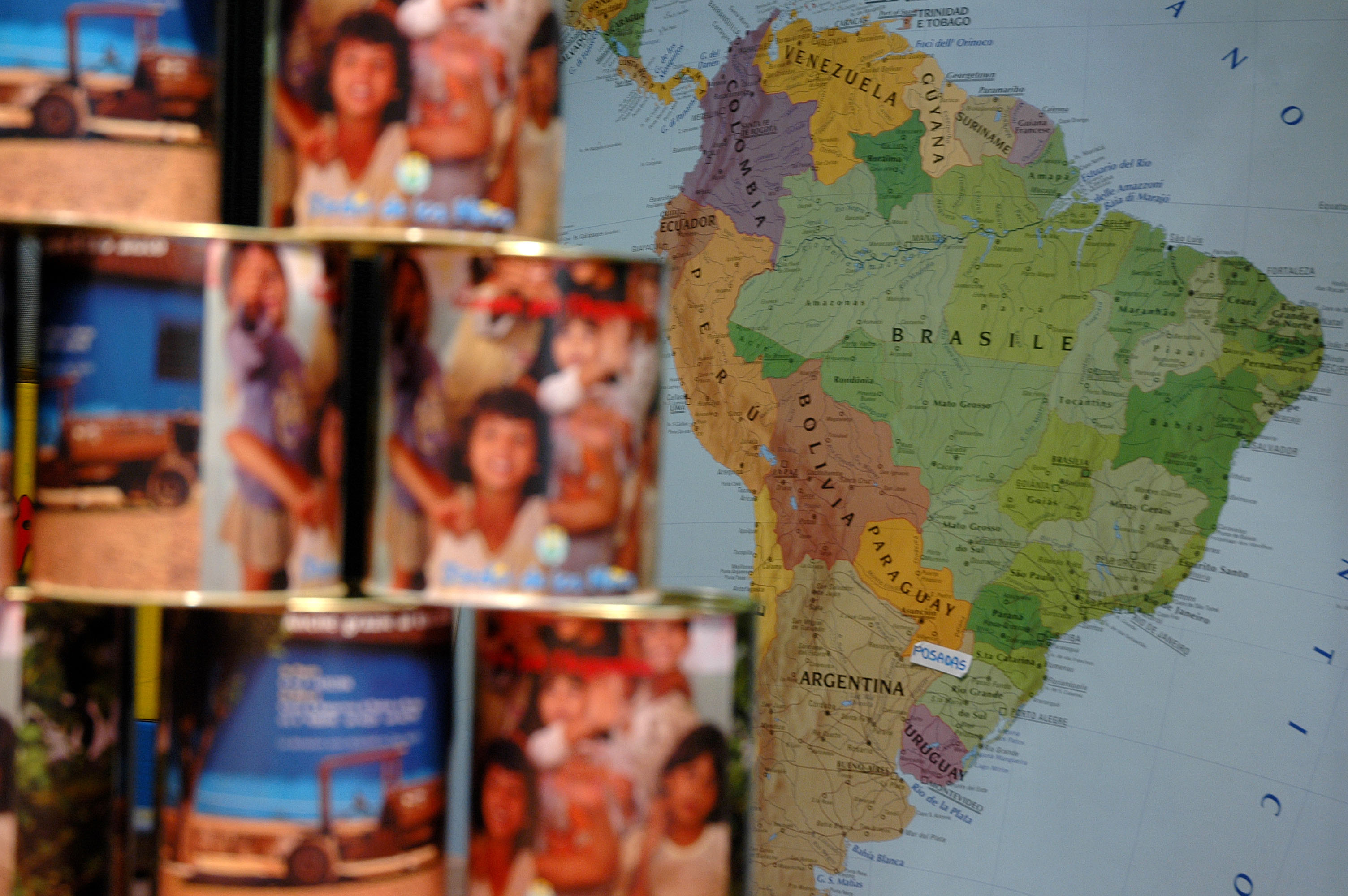
Portugal: record-breaking numbers of missionary volunteers According to figures released by the Catholic Faith and Cooperation Foundation (FEC), resulting from a survey involving the 61 members that integrate the missionary volunteering network in Portugal, 550 Lusitanian young people and adults will carry out 2014 year’s charity projects in Developing Countries, while 992 will provide their service in Portugal. Portuguese-speaking countries are the main missionary destinations. 134 people will leave for Cape Verde; 94 for Mozambique; 90 for Guinea-Bissau; the island of Saint Tomé and Pince will welcome 78 volunteers, Angola 74, Brazil 45, and Timor Est 14. Four volunteers will leave for Mexico and two will implement their project in Zambia. It’s the highest number of volunteers since the first survey in 2003, compared to which there emerges a significant increase – over one hundred people compared to 2013, strengthened by the fact that 127 volunteers will repeat a previous experience. Another important sign regards the kind of persons that have decided to devote themselves to these projects. “It is often believed that the majority of lay missionaries are unemployed people or students on vacation, but many of the latter, for example, work and study, and need to ask for unpaid leave or an absence from work”, said the FEC coordinator Catarina António. The survey shows that in 2014 17 Portuguese volunteers aged 18-35 will take a leave from work to serve in missionary projects, joining 11 retired men and women volunteers. “Conversely from other kinds of experience, missionary volunteering linked to the Catholic Church often means to leave everything behind: the family, friends, for a period that ranges from a month to two years, going to meet the unknown, in Countries marked by urgent needs”. The changes highlighted in the findings have a positive bearing and lead to hope: “At a time when there is much talk of loss in values, it shows society as a whole that missionary and national volunteering are an aspect that is very present in every day life”, concluded Catarina António. As regards the kind of assistance implemented in Developing Countries, the projects envisage job creation in areas such as education, health, social and pastoral care, the construction of infrastructures, to which is gradually being added vocational training in activities conceived for women. Slovakia: appeal for work-free Sunday The Social Sub-Commission for social questions of the Slovakian Bishops’ Conference and several non-governmental organizations in support of the family have addressed an appeal to the national Council, Government and President of the Republic asking them to endorse the proposal calling for the juridical protection of work-free Sunday. According the appeal, work-free Sunday represents a “major cultural, spiritual and social patrimony for Europe” because life “isn’t just a question of work, money and consumerism”. The quality of life – beyond material aspects – “should also depend on the cultural and spiritual dimension and on sound interpersonal relations”. The sub-commission underlined that work-free Sundays aren’t a threat to economic prosperity and having a day of weekly rest “has positive repercussions on workers’ health, as it favours good living conditions”. For the Social Forum, with a seven-day working week parents have no time to be with their children and the faithful cannot cultivate their community and religious life. The Catholic Church and non-governmental organizations support the efforts of several MPs in support of the approval of the bill that would introduce work-free Sunday within Slovakian legal system. Ukraine: a set of “Living parish” meetings The Information Department of the Ukrainian Greek-Catholic Church (UGCC) has launched a set of video programmes titled “Living Parish”, inspired by the strategy – put forward in the UGCC Synod held in Brazil 2011 – for the following years, until 2020: “Living Parish – a place for encounter with living Christ”. The purpose of the project is to seek inspiring examples of pastoral efforts and parish activities and transmit them to the faithful online. It envisages six main sections: Word of God and catechesis; the liturgy and prayer; service for others; leadership – managing gifts; union and communion; missionary spirit. “The development of parish communities should be our priority. By furthering and livening the parishes we further and liven the entire Church”, said UGCC chairman, His Beatitude Sviatoslav, who invited all parishes to “share their positive experiences and best pastoral practices”. Demands of adhesion can be sent via email to: vision2020ugcc@gmail.com.
