BOSNIA HERZEGOVINA
Three personal stories, one golden thread: former detainees in prison camps took part in Caritas peace-building programs

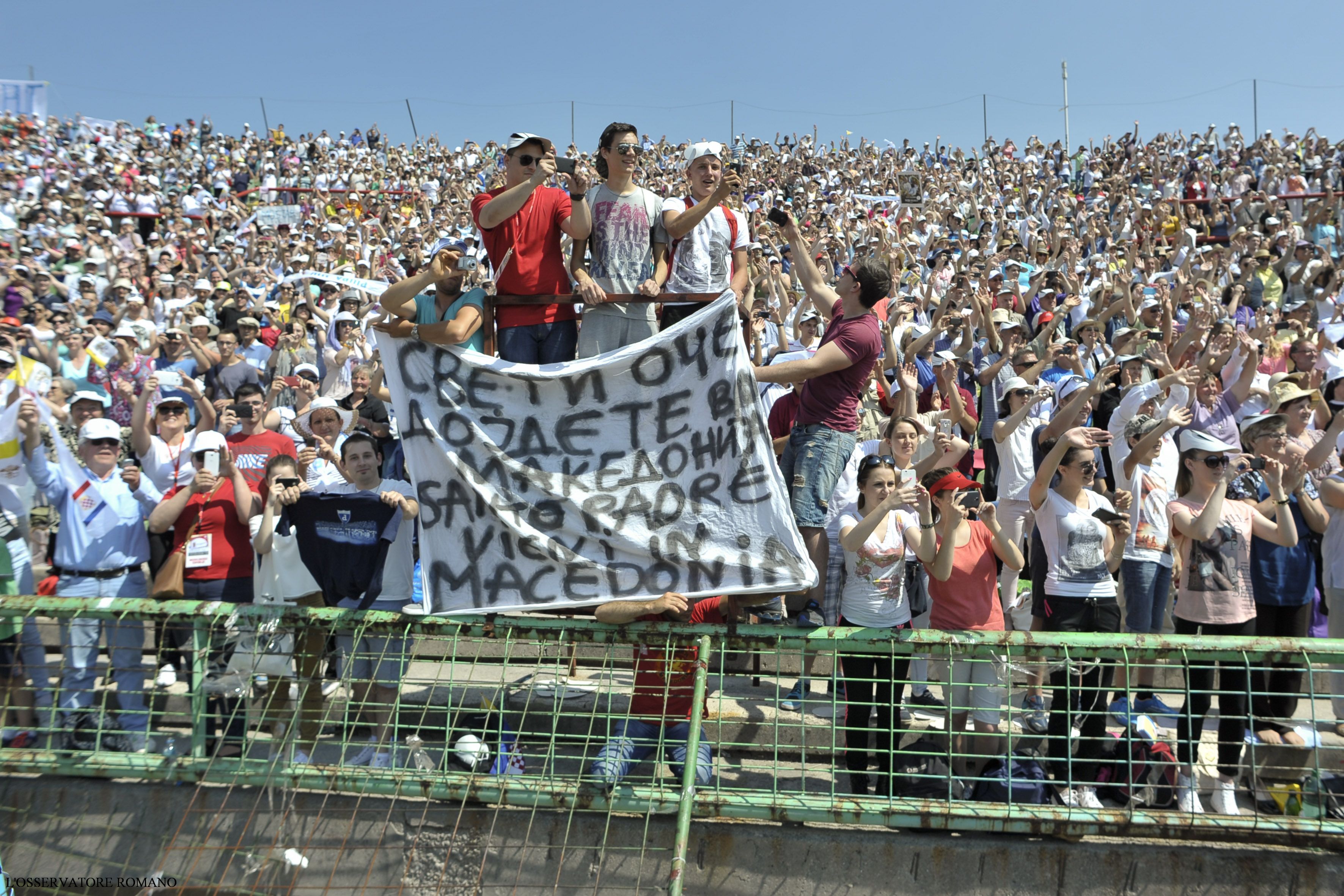
“We need to communicate with each other, to discover the gifts of each person, to promote that which unites us, and to regard our differences as an opportunity to grow in mutual respect”. With these words Pope Francis had addressed the authorities of Bosnia Herzegovina during the ceremony at the presidential palace of Sarayevo past June 6. A message of reconciliation and peace that became the golden thread of his visit in the Bosnian capital. The path of peaceful coexistence and dialogue is not paved by standardising differences. The same suffering. This awareness emerges in the stories of Janko Samoukovic, Serbian, Orthodox of Visegrad, Amir Omerspahic, Muslim Bosniac from Sarajevo, and Zdenko Supukovic, Croatian Catholic from Zepce. Three men who share the same past, that of former convicts in prison camps who took part in Caritas peace-building and reconciliation programs. They suffered torture and violence, but through the “Pro-future” project they developed the awareness that the people they belonged to had committed the same crimes perpetrated by their tormentors. “After speaking to them – Janko Samoukovic told SIR Europe – we realised they had experienced similar situations and that we shared the same suffering. The work of psychologists helped us share our stories without feeling pain, processing the tragedy and speaking about it in schools. But this approach is valuable only if it is carried out by all those involved: Serbians, Bosniaks and Croatians. I don’t want to emphasize my own pain nor deny that of others”. “I had hoped to die. But then…” Janko was 23 when the war broke out. “I couldn’t believe anyone would harm me because I had never hurt anyone. I had faith in others”, he told the audience during the closing ceremony of the tour of reconciliation and memory organized by Caritas ahead of the Pope’s visit. Janko was interned in the Silos of Tarcin, an old warehouse for grain storage after violent interrogation by the soldiers of the Bosnian army, transfer in a cement cell with just a bucket, a few pieces of bread and small amounts of water. “After 15 days I started fainting for hunger. We underwent physical and psychological torture”. A guard constantly held a gun against him. “I was torn between the instinct for survival and the wish that he would pull the trigger to put an end to that inferno”. Then the liberation, years went by but “the world I knew before no longer existed. I didn’t know how to face life. Now I’m happy to say that in my new world there is no room for hatred. Because hatred prevents me from being happy”. “The face of those who saved me”. “That person, the people who saw me as an enemy have my same face, my same heart, my same soul”, Francis said during Mass at the Kosevo stadium before 65 thousand people. These words encompass the story of Amir Omerspahic, Muslim Bosnian from Sarajevo, imprisoned in the camp of Sljivovica, and then held in custody by the Serbian police. He was a Muslim Bosnian who was saved thanks to the big heart of a Serbian doctor. The latter ordered the hospitalization of the then 17-year-old Amir, wounded at a finger and repeatedly beaten on that finger “until it fell off”. “I was brought with emergency transport to the hospital, where for the first time I felt human warmth”. Also thanks to that salvific meeting Amir managed “not to hate the Serbian people. The face of that person who saved my life is impressed in my mind”. Faith in justice. A similar destiny hit Zdenko Supukovic. He enrolled in the Croatian army and resisted to Serbian forces for a year with the Bosnian army, his ally, until the conflict between the two armies escalated and Zdenko and his soldiers decided to surrender. “I immediately understood – he said – that it would have been a rough time for us. They closed us in a damaged building, with no roof. They had us wear working suits. What hurt us the most was the lack of food because we were forced into hard labour, digging trenches and cutting the wood”. In spite of everything, he admitted, “this was preferable to the desecration of dignity. Our feeling was that animals were treated better than us”. Zdenko was imprisoned for 255 days. Now he is a war invalid with 40% invalidity and suffers from post-traumatic stress. “I recognize that also my people have many responsibilities, we cannot condemn an entire nation for what has happened. Those who committed the crimes have a name and a surname and should be judged by international courts”.
