AFTER THE REFERENDUM
Maura Garrihy, 25, directs the diocesan office of Galway for youths: “In a noisy world it can be hard to hear the voice of the Church”

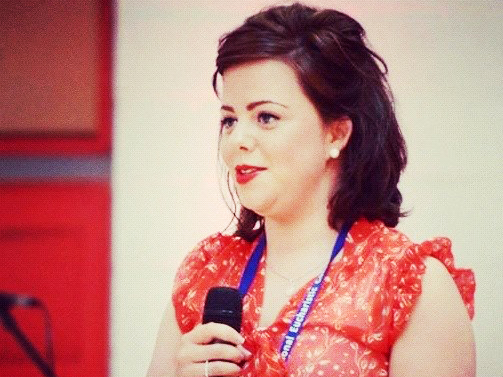
The Irish vote is experienced as “their” victory. The victory of young people. They are the ones who opened, with their referendum, the constitutional path of marriage for homosexual persons. They are sons and daughters of a Church with deep roots throughout the territory, most of whom have attended Catholic schools. For this reason, after the analysis of cardinal and archbishops, after the statements by politicians and sociologists, we asked them, young Irish Catholics, what they think of the vote, of the love and the moral teaching of the Church. Maura Garrihy, 25, accepted the challenge. She works in the diocese of Galway, along the west coast of Ireland. She is the director of the diocesan office for youths and coordinator of Ireland’s “National Mission for Youths 2000”. Maria Chiara Biagioni interviewed her for SIR Europe. Maura, what did your friends vote at the referendum? “Many people who don’t belong to parish or prayer groups voted ‘yes’. I think they did so because they believe that allowing same-sex marriage means ensuring equal rights to gay people. They believe that the referendum could be a sort of evaluation on how gay people are considered and what is their place in our society. In general terms, I don’t believe that Irish youths considered the referendum in terms of ‘Church versus the State.’ I don’t believe that those who voted ‘yes’ did so motivated by the refusal of Catholicism. Our young people are idealists and want a better world. They believe that opening the possibility of marriage to same-gender couples means creating a more loving and fair world”. What do your friends think of the family, of love, of homosexuality? “For a large number of young people the family and love are extremely important. Irish youths want what is best for all families. They want an equal society. They are aware of the challenges that gay people are called to face. Those who voted ‘yes’ did so to ensure that gay people no longer feel second-class citizens or people who need to hide their sexuality. Idealism is important: it’s what inspires progress. But I also think that idealism and progress should not obscure the truth. And the referendum wasn’t on how gay people feel or how they should be treated. It was on the definition of marriage”. The archbishop of Dublin Diarmuid Martin said that the Church must “come to grips with reality”. In your opinion, what did he mean to say? “Under many aspects I think that we, young people, should be the ones to come to terms with reality. And the reality is that young people are seeking meaning and purpose. They long for happiness. They want a cause to fight for. They want to make a difference in this world. They seek this happiness in a culture that isn’t nurtured by Christian values. Our catechesis for young people has been extremely poor, and some people have rejected the vision of faith presented until now. As a result, they strive to accept the moral teachings of the Church”. Is it a language problem? “We live in a busy and noisy world. Amidst so much noise, it can be difficult for a young person to hear the voice of the Church. Many of our young people, once they receive the sacraments of initiation, stop entering a Church until they attend a wedding, a funeral, a baptism. The big challenge is how to share the message of Jesus and of the Church so that young people can understand it, grasping the fullness of truth and the beauty of our faith. However, many of our young people are not familiar with the language of the Church”. Archbishop Martin spoke of an ongoing social revolution. In which way? “Our society is much more learned compared to previous generations. This is not a bad thing! But the interests of the people have changed, as well as their way of thinking and their perspectives. I believe that the Church has not invested enough energy in understanding this ongoing change. We did not react quickly enough to the needs of society and, ultimately, to the suggestions of the Holy Spirit. The result of the referendum highlights precisely that. Many of the young voters who cast a ‘yes’ vote received the sacraments and had a Catholic education. The referendum reflects where we are. We need to examine how we have educated others in the faith, because it is clear that the way in which we transmitted the beauty of our faith has not been successful”.
