BOSNIA-HERZEGOVINA
War has left on the ground thousands of explosive devices that are threat to people’s lives and block development. Mine-clearers at work” “

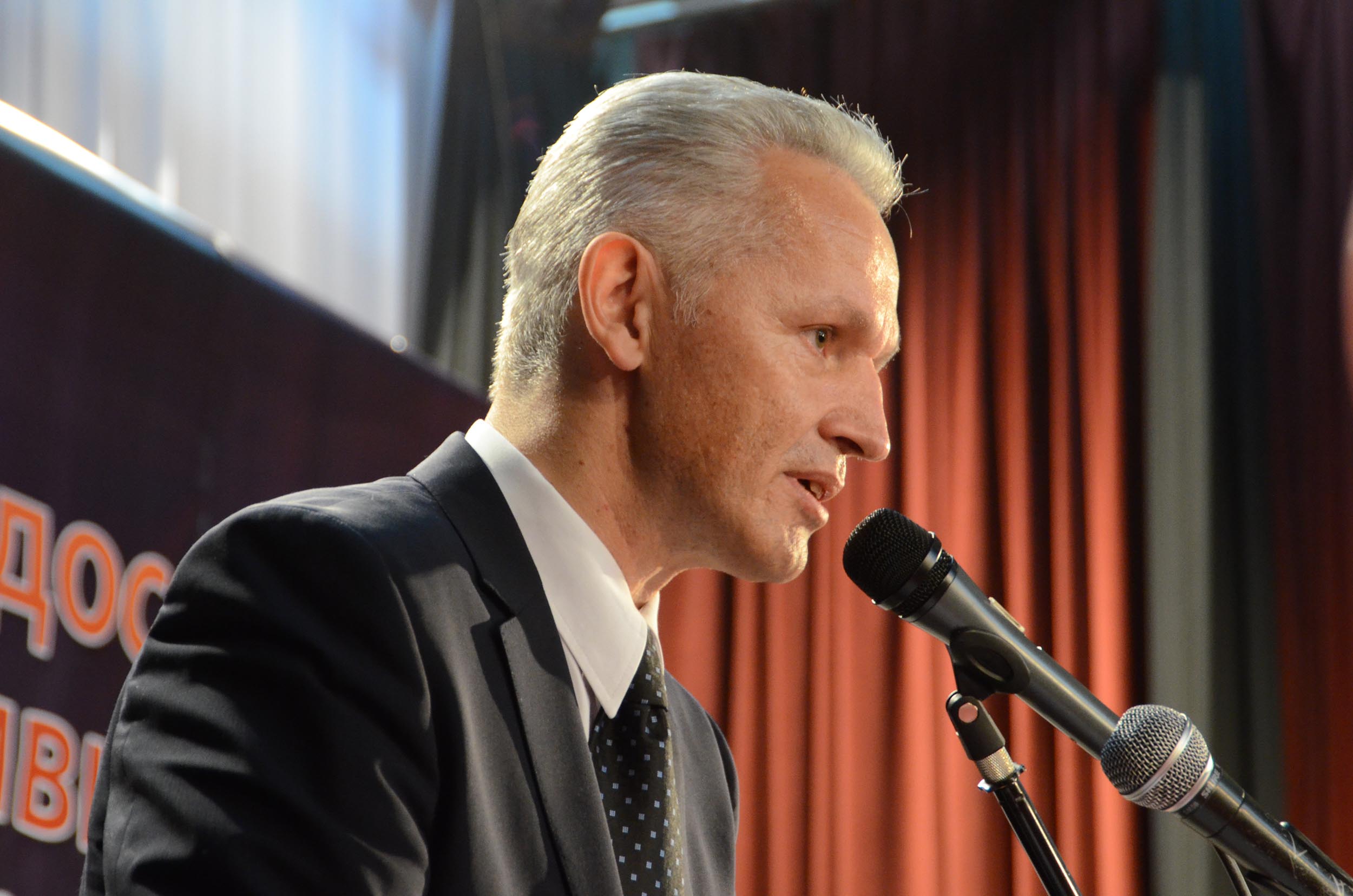
Fear. This is the sentiment that still lingers in Bosnia-Herzegovina. The end of civil war in the nineties was not enough to alleviate the fears of the population: here war is not yet over, it is rooted in thoughts, in everyday life … Even in the land. In fact, in the world there are 59 countries where there are dangers associated with the presence of anti-personnel mines on the territory and Bosnia is the most dangerous country in Europe in this regard. This presence “looms in the lives of Bosnians and blocks their development,” explains Radosav ivkovi, who started devoting himself to demining efforts after being the victim of an accident. He decided to establish a non-profit organization, “Stop Mines”, which for the past sixteen years has been involved in the elimination of landmines. Securing the territories. Dying for a landmine in Bosnia today is not a possibility, it is a reality. “There have been eight thousand victims so far”, said ivkovi. “Right now 40 people – continues the expert – are engaged in Stop Mines projects”, but there are about 2 thousand Bosnians who choose this activity, all duly registered and with a license. Many of them are young, ready to risk their lives to receive a 700-euro salary at the end of the month, twice the national average. Thanks to them, “much has been done”. “Over 20 thousand hectares have been cleaned up so far in the region of Southeast Europe and we were able to help over 700 people injured by mines ivkovi said. “But we continue facing many challenges every day notably, to continue to financing mine clearance”. “The international community given a major support in our country in recent years, but the global financial crisis has had an impact on this type of funding”, noted the founder of “Stop Mines”. A blocked society. The crisis has had consequences at global level, and here in Bosnia-Herzegovina the presence of landmines has made things worse. “In fact, until these weapons of war are present in the area, the danger is not only physical as they represent a strong obstacle to economic and social development”, ivkovi remarked. “Mines – he continued – block access to resources, including land, water, and prevent the development of the agricultural sector, hindering the construction and reconstruction of infrastructure”, including roads. They also represent “an obstacle to the recovery of trade and investment and cause a widespread fear which restricts freedom of movement”. Another constant danger that threatens these territories are floods, such as the one that last year hit the area of Doboj, Maglaj, Olovo, the Una-Sana Canton and Bosnian Posavina. Floods and landslides may, in fact, significantly increase the exposure of citizens to minefields because water removes the signs warning of areas at risk and, in other cases it transports weapons in new areas. “This situation requires even greater challenging intervention in terms of demining activities and financial support”, underlined the founder of “Stop Mines”. The importance of donors. Before this emergency “the Bosnian government should coordinate the definition of demining strategies and its major funder”, ivkovi pointed out. However, until now, due to lack of financial resources the government has been unable to fulfil this obligation. Demining interventions that should have been concluded in 2009, according to figures, will not be able to be completed not even in 2019 and without donor support the pace of this activity would have been even slower. Major interventions have been carried out thanks to the EU and its Member States. “Since 2005 our organization has implemented four demining projects with the support of the EU for a total amount of 6.5 million euro and – concludes ivkovi – thanks to this activity we cleaned up 8 million square meters of areas at risk and helped the local population to recover from this dramatic situation”.
