CHURCHES IN BRIEF" "

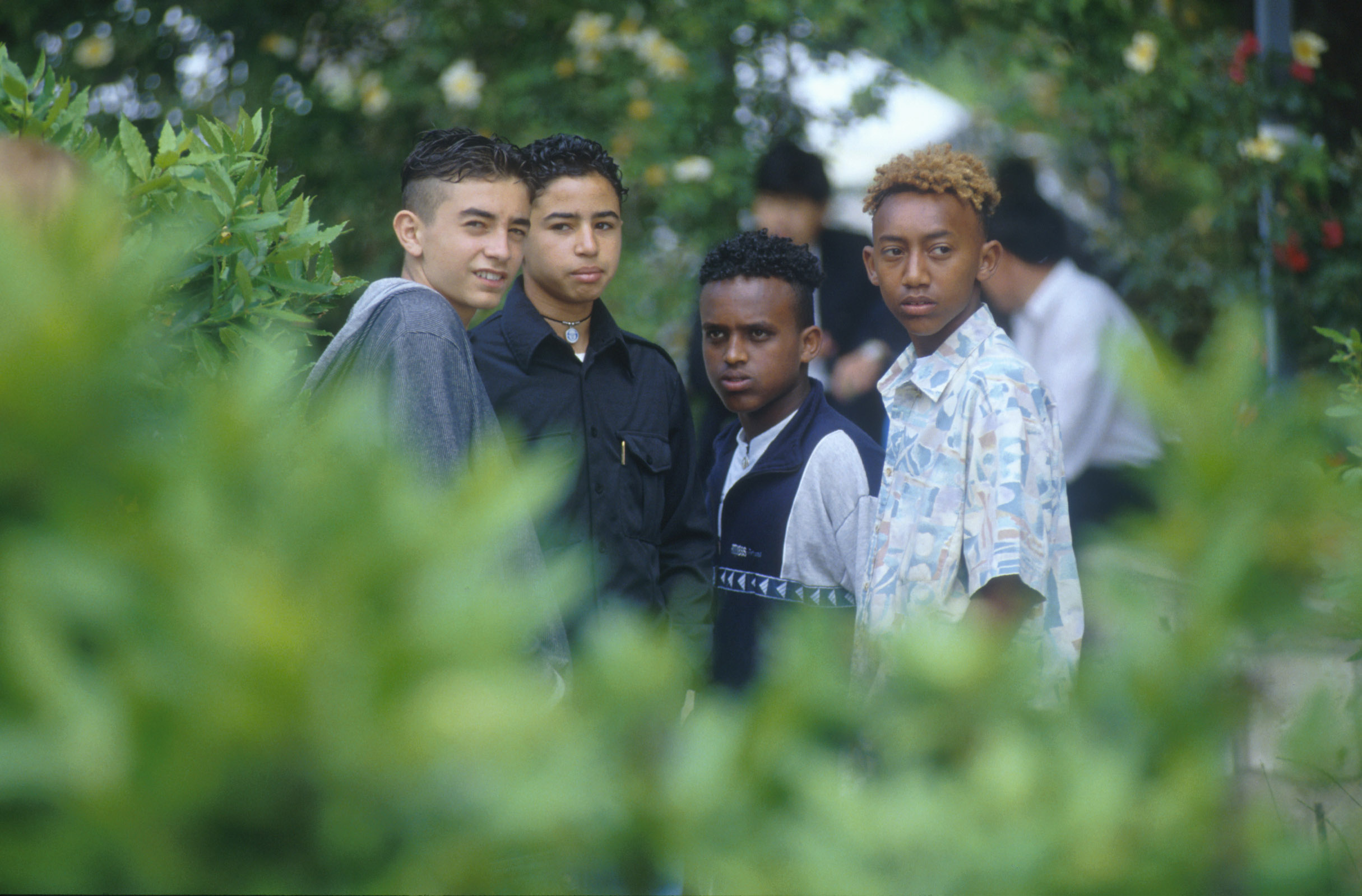
Spain: from Caritas a “stop” to racism On the occasion of the International Day for the elimination of racial discrimination, celebrated on April 21, Caritas Spain appealed to reconsider personal and collective behaviours. The frequent racist statement reveals, for Caritas Spain, “the persistence of prejudice, stereotyping and exclusion behaviour” that “are often the result of ignorance”. Not only: “A large number of political decisions fail to contribute to the elimination of the social symptoms of discrimination”. Caritas highlighted a drop in budget resources aimed at supporting the integration of immigrants and at strengthening school intervention. Moreover, he denounced the lack of support to the activities of the permanent Observatory on migration and the Spanish Observatory of racism and xenophobia, whose continuity are at stake. Furthermore, Caritas pointed out: “the right of asylum on our borders appears to be subject to restrictions according to the place of departure, regardless of treaties and international conventions”. For the Day, Caritas also appealed to the responsibility of those who seek to obtain electoral support with xenophobic and racist messages, ruining the climate of social coexistence. “We must not forget – Caritas went on – that the conditions of precariousness and vulnerability affecting thousands of families in our Country grow seriously worse when social relations are impregnated with racism and exclusion which in every day life often spoil the possibility of creating solidarity neighbourhood networks”. Portugal: attention to problems linked to life and demography At the end of the plenary Assembly of Portuguese bishops that ended last week in Fatima, referring to the upcoming legislative elections the president of the Bishops’ Conference (CEP) said, “Any responsible political body will urgently need to address themes regarding abortion and measures to support the birth rates”. Msgr. Mons. Manuel Clemente said “current use of legislation on the voluntary pregnancy interruption is often translated into a means of birth control, since many women resort to it several times a year”. The denunciation, coming from confessional organizations, citizens, doctors, health professionals, shows that “the present law doesn’t respond to the goals for which it was drawn up”, added the patriarch of Lisbon. “More than a new referendum it is necessary to act on individual consciences to build a society where life represents the first of all rights”. As regards the importance of measures to support birth rates, the new cardinal underlined that according to forecasts in 2050 Portugal will have a population of 6 million, compared to 10 million today. “This problem is far from irrelevant. In fact, given the simultaneous population ageing it should be object of serious reflection and analysis”. Bosnia: Mostar, letter to the faithful for the Pope’s visit The bishop of Mostar-Duvno, apostolic administrator of Trebinje-Mrkan, Monsignor Ratko Peric wrote a letter to the faithful, to the clergy and to consecrated persons inviting them to prepare for the encounter with Pope Francis on June 6 in Sarajevo. “I call upon all those who can to be present in the Mass at the Koevo stadium – the bishop wrote – and to pray for the intentions of the Pontiff. His visit will be a sign of encouragement to fraternity for all of us, a leaven of peace, dialogue and friendship”. In the meantime, preparations for the visit are ongoing. The Clare sisters of Brestovsco and the Franciscan sisters of Gornja Tramonica are packaging the wafers of the celebration at the stadium, which thousands of faithful are expected to attend. The Franciscan sisters of Mostar are tasked to sew the chasuble of Pope Francis and of the concelebrants. Also the papal “throne” that will be used by the Holy Father during the Mass in the stadium and in the meeting with the consecrated in the cathedral, is almost completed. The armchair is a gift of the parish of Zavidoviæ. It features hand-made marquetry, to the realization of which contributed also Muslim artisans. Germany: young Catholics on migration and labour The general assembly of BDKJ – Federation of German Catholic youths- ended Sunday April 19 at the castle of Rothenfels am Main with the election of the new national organisms. Fr Dirk Bingener, previous diocesan BDKJ chairman in Cologne, was elected federal chairman. He will replace Fr Simon Rapp, at the helm of the Federation for the past six years. National president Lisi Maier was re-elected to the post, with responsibilities regarding the interests of adolescents, children and young adults. Also the Federal Council was renewed. During the meeting participants discussed issues regarding precarious jobs, theological importance of associations. Notably, the assembly presented an appeal for the protection of migrants, calling for their safe, transparent, and fair access of asylum in the EU.
