EDITORIAL/2
Thousands of human lives were put to an end in the Karst caves. Warning signs from Ukraine and from the Mediterranean

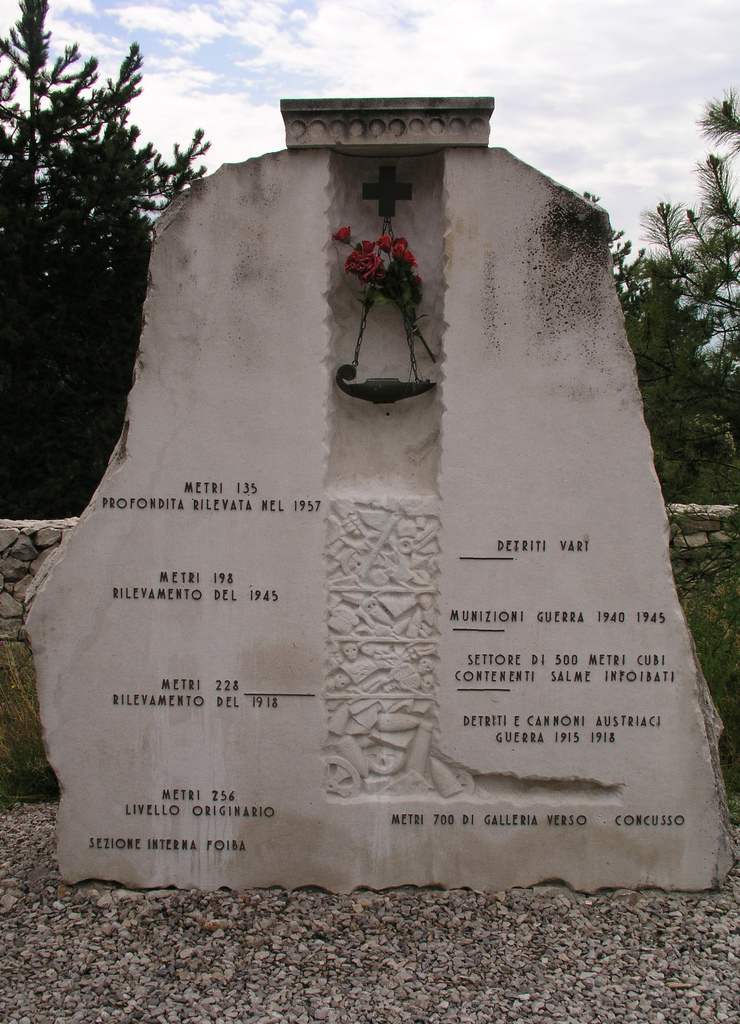
Basovizza and Monrupino, Opèine and Koper, Podgomila and Gropada, Vines and Vifia Orizi … dozens of “Foibe”, the karst caves tens or even hundreds of meters deep, on the border that now connects Slovenia and Italy, where between the autumn of 1943 and spring of 1945 were killed thousands of people, Italian, Croatian, Slovenian – many former fascists, but not only -, mostly at the hands of the armed forces that were to become the backbone of the communist regime in Tito’s Yugoslavia. Historians have tried to shed light over the past 20 years, after a long silence on the events that led on the one side to the systematic elimination of alleged enemies of totalitarianism that took hold in the Balkan and Slav territories, and on the other to the sad, painful story of the Giulian-Dalmatian exodus. Since 2004 the State of Italy has recognized February 10 as the “Day of Remembrance of the Foibe and Giulian-Dalmatian exodus”. What is missing in this anniversary is the full “European consciousness” of the tragedy of the Foibe, the blind violence – carried out with ferocity, as happened in Nazi concentration camps – motivated by the thirst of power and revenge placed before the absolute value of human life, the reasons of peoples, peace and justice. If contemporary European history includes – each in its own way – Waterloo and Romanticism, Verdun and Auschwitz, scientific discoveries and the masterpieces by Picasso, the liberation of Paris, the partisan resistance, the Berlin Wall, Solidarnosc, the ecumenical process of the European Union, then also the Foibe should be a part of it. Because the Foibe are a clear, perennial warning that says: “No more war”. Before the developments in various European and world regions, February 10 highlights the warning of acknowledging events based on the historical truth, without repression or reductionism, to help overcome old, dangerous rancour and cross the borders of national identities. Shared memory would contribute to the erection of a united Europe, with its own demos, without renouncing historical, geographic, cultural, religious, linguistic diversities that have always characterized the Old Continent. But the “Day of Remembrance” at the time of new, dangerous nationalisms, of pockets of intolerance, of widespread xenophobia, of discrimination against believers, or against those with “different beliefs”, is also a warning not to turn a blind eye to the Foibe of 2015. At least two should be remembered: the Ukraine and the Mediterranean. They are under everyone’s eyes, at this very moment. With other tragedies, other violence, other lost lives … Land and sea that, these days, in these hours, once again bury human lives, returning only hatred and corpses and fuelling fears, racism and malice.The Foibe were and still are there. Memory, however, can help look ahead and build peace.
