CHURCHES IN BRIEF

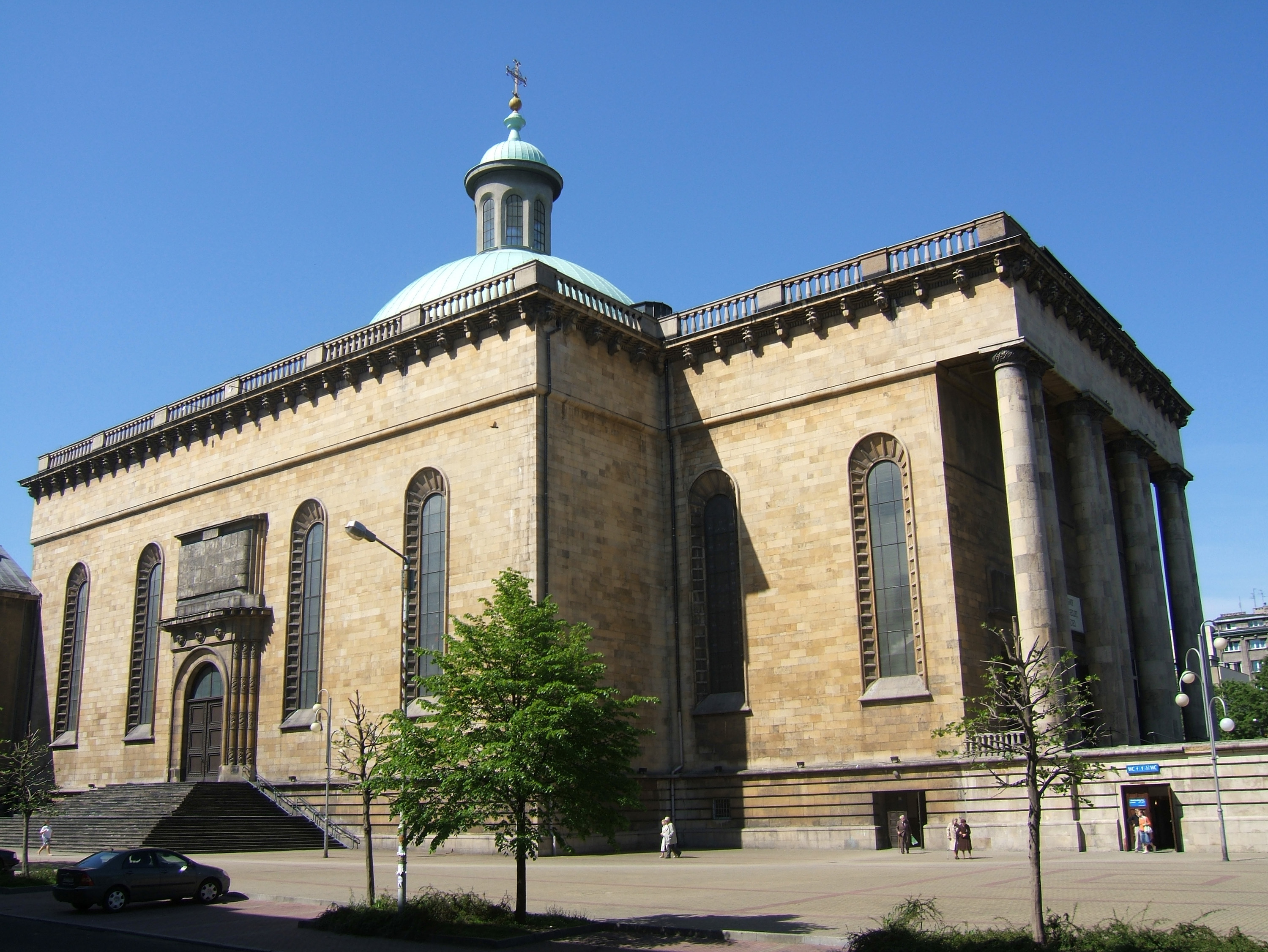
Poland: ecumenical appeal for festive Sunday The signature on the joint statement regarding the specifically festive trait of Sunday on the part of representatives of the Catholic Church and of other seven Christian Churches (Orthodox and Protestant), members of the Polish Ecumenical Council, is the highlight of the Week for Christian Unity in Poland. The document – signed January 20 – is the result of in-depth reflections ongoing for several months. The secretary of the Ecumenical Council of the Polish Bishops, Fr Slawomir Pawlowski, underlined that “the way of living the day of the Lord is in itself a testimony of faith”. The statement should help the faithful to recover motivations to “live faith in prayer, in the ecclesial community of the Word and of the sacraments”, said the prelate, recalling that “also rest should be the expression of the joy that stems from faith”. The Churches, signatories of the declaration, call for a renewed public debate in Poland in defense of weekly rest and of the various forms of free time, in the hope that the document may be understood as an appeal for the protection of Sunday addressed to employers, workers and competent authorities. Spain: meeting of Christian workers of Europe The headquarters of the Labour Fraternity of Catholic Action (HOAC) was the venue of the biennial meeting of Movements for the revision of life, affiliated to the European Christian Workers Movement held a few days ago in Madrid. The meeting was attended by representatives of Labour Catholic Action of France and Spain; of the Catholic Labour League of Portugal and of British Movement of Christian Workers. During the meeting, as declared in the final statement, it emerged that “poor workers suffer from the same precarious situation in all Countries. Inequality is a consequence of neo- Liberal policies carried out by all governments, regardless of political connotations. The capital and the economy prevail over people’s lives. Despite work we are getting poorer. Austerity policies have led to social cuts that have dismantled the welfare system and dilapidated social and labor rights. The majority of young people (in Spain and Portugal) are unemployed and they are forced to emigrate. The reforms of the legislation on labor have caused an imbalance”. Recalling the words of the Pope to the European Parliament, participants shared “the need to jointly build democracy” and called for “a new policy centered on the effective recognition of the dignity of the human person and his transcendent dimension”. “As Church movements – states the final note – we believe that a prophetic source of denunciation is necessary; to be aware of and accompany the situation of workers in Europe; to denounce the working conditions imposed on us; to carry out efforts to support disadvantaged people of the ‘peripheries’ (unemployed, precarious, poor) are the priority of the whole Church”. Coordinated within the Movement of Christian workers in Europe and the world, “we firmly believe that the construction of global justice today encompasses the globalization of solidarity, the defense of dignified work and to live not as slaves, but as a brothers”. Portugal: coexistence and interreligious dialogue On January 14 took place in Lisbon a public debate titled “From the Islamic State to disenchanted Europe. The event, promoted by the Observatory on Religious Freedom (OLR), and by “Lisboa Encruzilhada do Mundo” (Lisbon crossroads of the world), brought together Jewish, Islamic leaders, dignitaries of minority Christian confessions, along with experts in this field. During the meeting, that gained topical relevance after the attack on the offices of the satirical French magazine “Charlie Hebdo”, the Moslem spokesperson said that “only God knows who is faithful. Those who carry out attacks in the name of Islam is not Islamic nor Moslem”. Abdool Magid Vakil, who has been living in Portugal since 1956, recalled that, at the time of his arrival, as he was one of the few Moslems, people were curious but they have always respected them. “I can affirm that there is no form of Islamophobia in Portugal and that in general the Portuguese people aren’t hostile and accept religious diversity”. The representative of the Portugal-Israel friendship Association added, “the Jewish Community of Portugal has no reason to complain”. Conversely, in other European countries fear has already wormed its way through. Surging anti-Semitism grows rapidly among those who don’t belong to Christian or Jewish religions”, said António Caria Mendes, ascribing this “to the lack of common policies and education”. Finally, according to the scholar in Arab and Copt studies Adel Sidarus, we must understand that the European roots aren’t only Christian. “Also Muslims take part in the roots of modern Europe. With this awareness, Europe will open up more to the Mediterranean world, with which it shares a profound, significant cultural heritage”.
