Politics

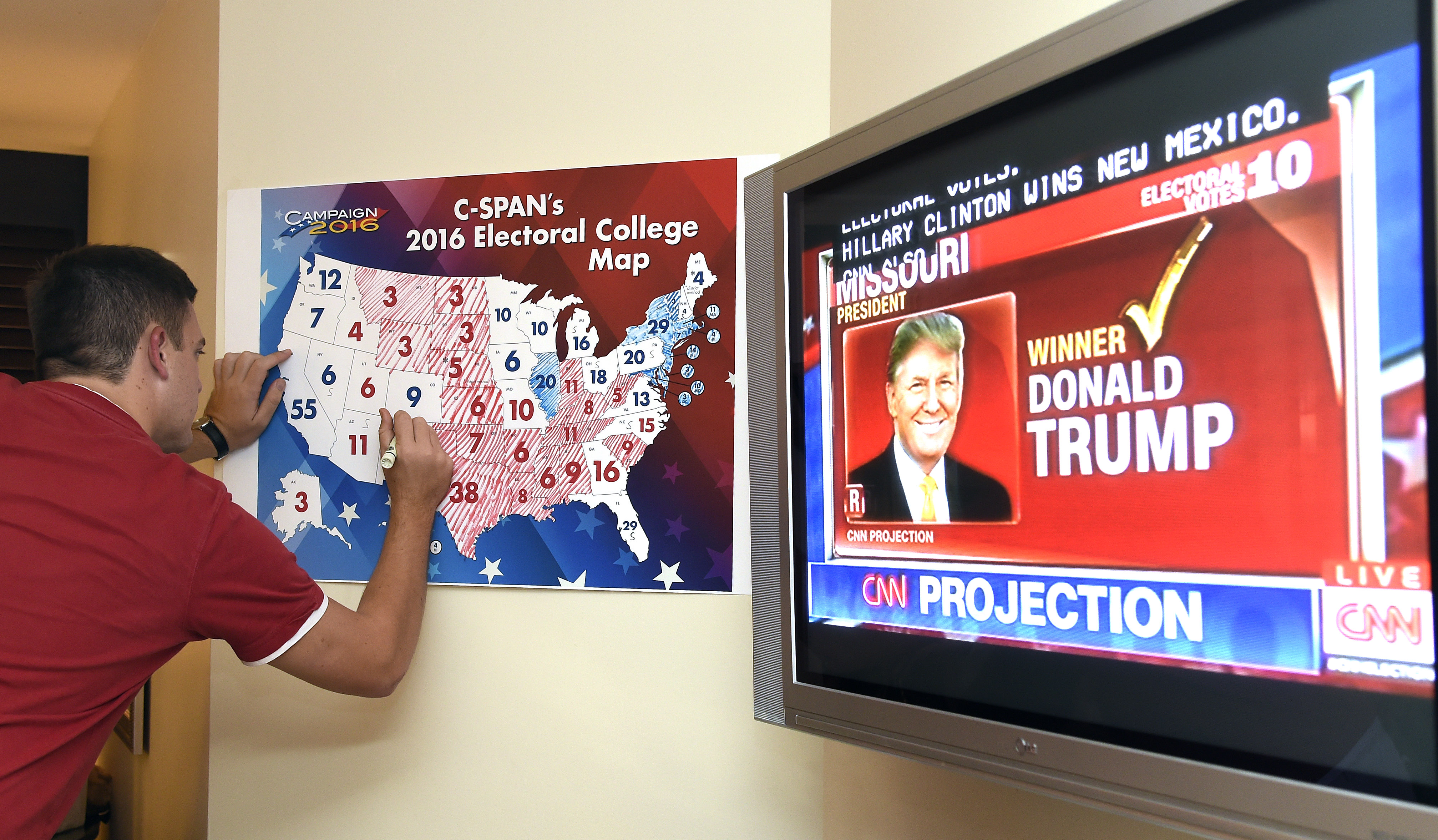
(from the United States) – Donald Trump exceeded all expectations. When he started his campaign for the Republican primary election, it looked like a whim. Deeply underestimated for months by the media and his fellow party people, he slowly crushed the competition of experienced politicians, such as Jeb Bush, son and brother of US presidents, and senators, such as Marco Rubio and Ted Cruz, then got into an extremely tough match against the expert Hillary Clinton, who stood for continuity, supported by Wall Street and most of the media. And this, without the support of the leadership of the Republican Party that took its distance as much as it could, fearing a disproportionate debacle. Through a bold use of social media and hundreds of simple slogans and outright attacks against the democratic nominee, renamed “Hillary the dishonest”, Trump – as confirmed by US commentators right now – conquered a disappointed mass of voters, who did not benefit from the economic recovery. And while one month ago Trump seemed to be done, crumpled over sex scandals, Clinton’s email case immediately came back to the fore, putting wind in his sails. The epitome of the surge was Pennsylvania. The rural areas were considered to be with Trump, the cities, such as Philadelphia, should have theoretically supported Clinton. But many of the “virtual” democratic voters mentioned by the polls did not turn out.
