Prayer for the Middle East

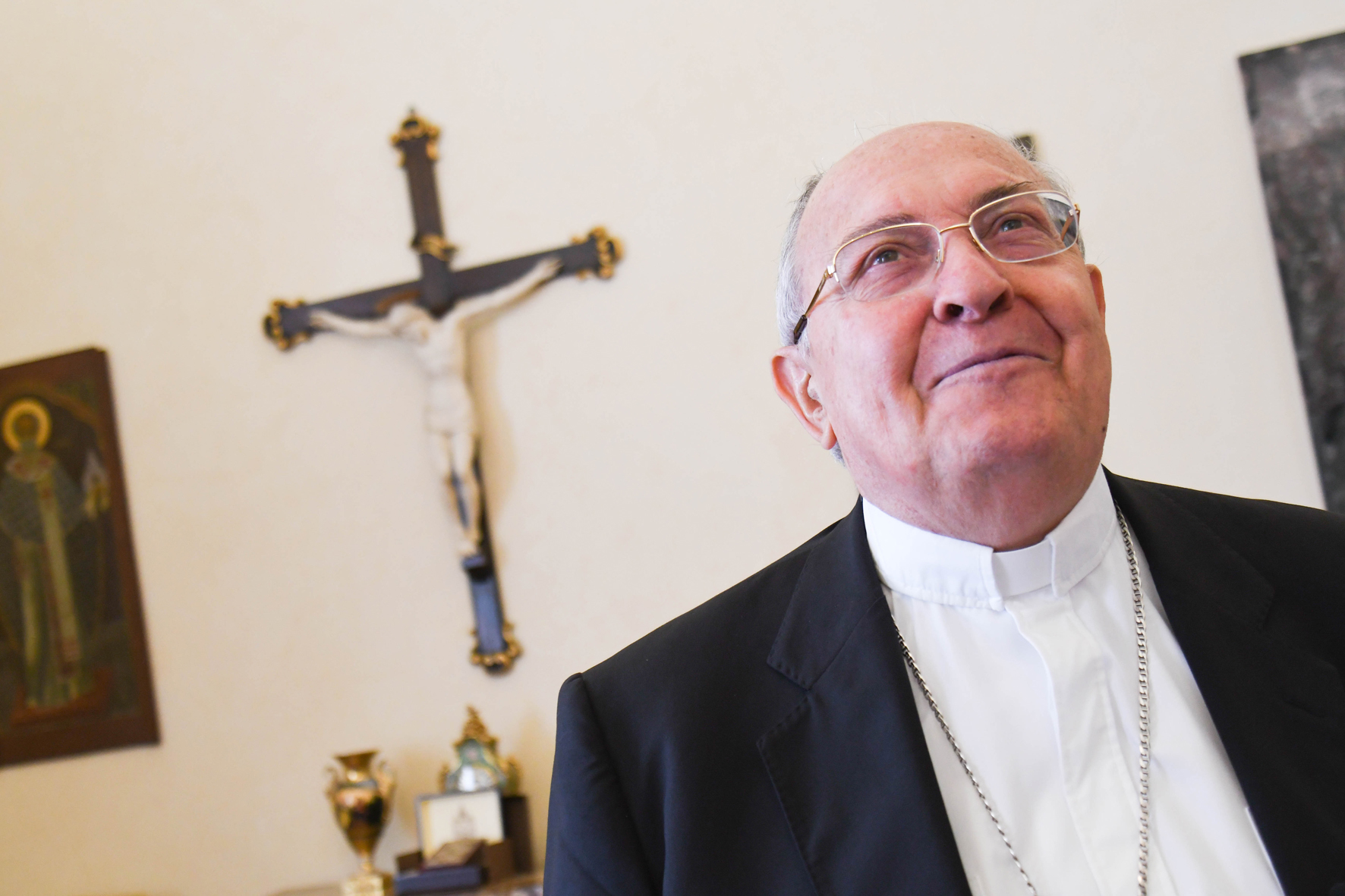
“Prayer and prophecy are the weapons of the Church. Prayer will be the key focus of the meeting because the destiny of peoples, the world peace and the future of the Church in the Middle East are in the hands of God. Ecumenical prayer is of great value to our Christians who have suffered and still suffer from war and persecution”. This is why we will remember all those – faithful, priests and bishops – who have died in these years of war, who have been kidnapped or disappeared as “Mgr. Faraj Rahho, Chaldean archbishop of Mosul; the two bishops of Aleppo, Syrian Orthodox Mar Gregorios Yohanna Ibrahim and Greek Orthodox Paul Yazigi; and Jesuit Father Paolo Dall’Oglio”. The prefect of the Congregation for the Oriental Churches, Card. Leonardo Sandri, explained to SIR news agency the spirit of the ecumenical meeting convened by Pope Francis in Bari on 7 July with the participation of Church leaders and Christian communities of the Middle East. The meeting, the prefect said, will be an opportunity to remember the tribulations of Christians, and other people, in the Middle East: “The greatest tribulation is that of being violated in their dignity as human beings, deprived of everything, their homes, their beloved ones, of being subject to insecurity, of having to experience hate attacks and division, to the point that they consider leaving to find a future of hope in other places. This tribulation, which is not just physical, has affected everyone, even Muslims. With the gesture in Bari, the Pope wishes to express closeness and love to these brothers and sisters, and share in their suffering, thereby condemning indifference towards those who are rejected, persecuted and marginalised”. In Bari, he will also tell the international community, particularly “those with true responsibility for peace in the world to take decisions looking beyond narrow national interests to the interests of the human person made in the image and likeness of God”. Hence the invitation to be open to those who are forced to seek “safer places” because of war and persecution. “We must always be open and able to think that everything we have done to these brothers and sisters in need, we have done it to Jesus. Never say enough. It is the responsibility of rulers to find the right balance. Openness and hospitality – combined with prudence and a desire to truly integrate these people according to the possibilities of places of arrival – become possible through the adoption of reasonable measures for everyone”.
